Miami is currently under a formal heat advisory as meteorologists warn of a dangerous, record-breaking thermal event expected to peak on July 30, 2026. The National Weather Service (NWS) has issued the alert following forecasts indicating that the city is set to reach a blistering 96°F, a temperature that would officially surpass the previous record of 95°F set in 2015. With humidity levels expected to push the heat index well into the triple digits, local officials are mobilizing to address the extreme health risks posed to the South Florida community.
Key Highlights
- Record-Breaking Forecast: Miami is projected to hit 96°F, exceeding the historical record of 95°F from 2015.
- Official Heat Advisory: Emergency management teams have issued a formal advisory, warning of extreme risks to public health.
- Energy Infrastructure: Utility providers are monitoring grid capacity as demand for air conditioning spikes to unprecedented levels.
- Health Precautions: Residents are strongly advised to limit outdoor activity, stay hydrated, and utilize designated cooling centers.
The Meteorological Reality of South Florida’s Extreme Heat
The anticipation of 96°F weather in Miami on July 30, 2026, is not merely a statistical anomaly; it represents a significant atmospheric event that has caught the attention of the National Weather Service (NWS). While South Florida is accustomed to hot summers, the combination of high ambient temperatures and humidity creates a hazardous environment. The previous record of 95°F, established in 2015, has stood for over a decade, serving as a baseline for the city’s extreme weather thresholds.
Meteorologists are attributing this surge to a high-pressure system currently stagnating over the Florida peninsula, effectively trapping heat and preventing the typical afternoon sea breezes that often provide a natural cooling effect for coastal Miami. This “heat dome” phenomenon is a well-documented meteorological concern, particularly as it limits the ability of the overnight temperature to drop, preventing the city from cooling down sufficiently between peak heat periods. As the earth stores this thermal energy, the cumulative impact creates a more dangerous scenario for residents, particularly the elderly and those with pre-existing conditions.
The Urban Heat Island Effect in Miami
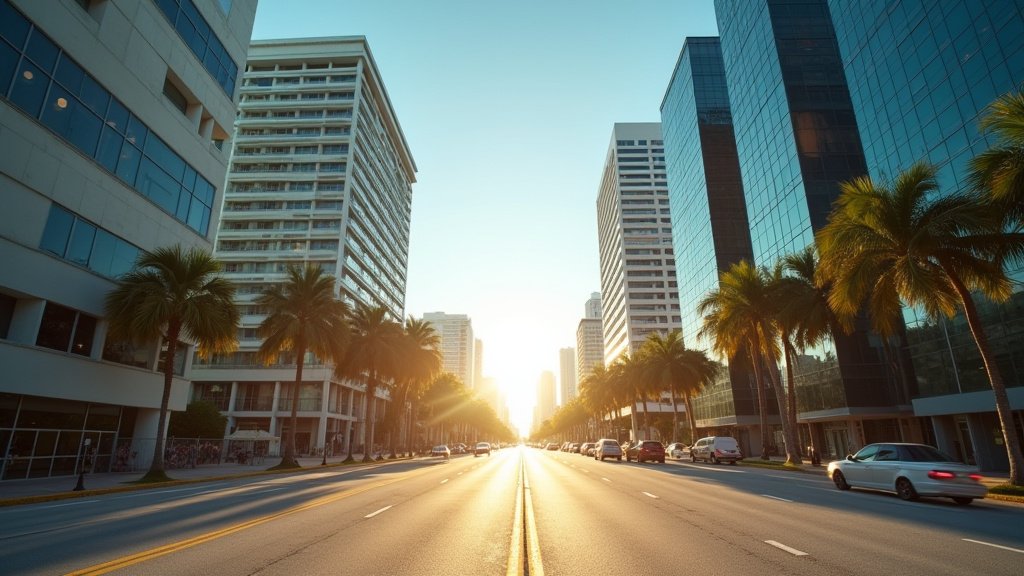
Beyond the raw meteorological data, Miami faces a localized challenge known as the Urban Heat Island (UHI) effect. The city’s dense concentration of asphalt, concrete, and steel infrastructure absorbs significant amounts of solar radiation during the day and radiates it back into the atmosphere at night. In areas with minimal green canopy, this effect can raise local temperatures significantly higher than in surrounding rural areas.
For residents living in high-density zones like downtown Miami or urban corridors near I-95, the 96°F forecast may feel substantially hotter due to this lack of thermal relief. Urban planners and climate researchers at organizations like the Climate Prediction Center (CPC) have long cited this phenomenon as a key factor in South Florida’s vulnerability to extreme heat. As the city continues to densify, the challenge of mitigating heat accumulation has become a central focus for public policy. Strategies such as increasing urban tree canopy, utilizing reflective roofing materials, and expanding green space are being evaluated to help offset these rising thermal baselines.
Infrastructure Resilience and Energy Grid Load
As temperatures climb, the strain on Florida’s power grid becomes a primary concern for local utility providers. High temperatures trigger a massive surge in electricity demand, primarily driven by the near-constant operation of air conditioning units in residential and commercial buildings. Utility companies, including Florida Power & Light (FPL), have implemented protocols to manage peak loads and prevent localized power interruptions during this high-stress period.
Grid resilience is a delicate balance. When demand approaches capacity, utilities must activate secondary generation sources, which often come with higher operational costs and environmental trade-offs. Additionally, extreme heat can impact the efficiency of power delivery equipment, including transformers and transmission lines, which are themselves subject to thermal degradation. Authorities are currently coordinating with utility providers to monitor grid stability, and there may be requests for voluntary energy conservation—such as raising thermostats by a few degrees—during the peak hours of the afternoon on July 30 to alleviate pressure on the system.
Public Health and Emergency Response Protocols
Perhaps the most critical aspect of the current heat advisory is the direct threat to public health. The combination of intense heat and sustained humidity significantly reduces the human body’s ability to regulate its internal temperature through sweat evaporation, dramatically increasing the risk of heat exhaustion and heatstroke.
Miami-Dade County Emergency Management has activated a series of public safety measures, including the opening of additional cooling centers for those without adequate access to air conditioning.
“The risk is not just discomfort; it is a physiological threat,” noted a public health official. Outreach teams are actively distributing information to vulnerable populations, including outdoor laborers, the homeless, and the elderly. Residents are urged to recognize the early warning signs of heat illness, such as dizziness, nausea, and rapid pulse, and to seek medical attention immediately if these symptoms occur. The directive is clear: stay indoors during peak sunshine hours (typically 10:00 AM to 4:00 PM), ensure ample hydration with water and electrolytes, and prioritize the well-being of pets and neighbors who may be struggling with the record-breaking temperatures.
FAQ: People Also Ask
1. Why is 96 degrees considered dangerous if we are used to hot weather?
While Miami is hot, 96°F combined with high humidity makes it difficult for the body to cool itself. The ‘heat index’—what the temperature actually feels like—often reaches well into the 100s, leading to a much higher risk of heat-related illness than dry heat.
2. What should I do if I think someone is suffering from heatstroke?
Heatstroke is a medical emergency. Move the person to a cooler place, loosen their clothing, and apply cool, wet cloths to their skin. Seek immediate professional medical help or call emergency services if they are confused or unconscious.
3. How does the urban heat island effect specifically impact Miami?
In densely built areas like Miami, buildings and roads trap heat. This causes the air temperature in urban areas to stay higher for longer, preventing the natural overnight cooling process and keeping the city hotter for extended periods.
4. Will the power grid be able to handle the high demand?
Utility companies, such as FPL, are monitoring the load closely. While they maintain reserves, residents are encouraged to practice energy conservation by limiting the use of large appliances during the hottest part of the day to help ensure grid stability.