Miami Police have launched an immediate search operation for 71-year-old Lino Hislop, who was reported missing after being last seen on Thursday night. As law enforcement officials comb through the Little Havana neighborhood, the urgency of the situation has prompted a wider call for community vigilance. The disappearance of an elderly individual, particularly one who may be vulnerable, triggers extensive coordination between local patrols and specialized search units. Investigators are currently canvassing the area and reviewing available surveillance footage to reconstruct the timeline of events leading up to Mr. Hislop’s disappearance.
Key Highlights
- Missing Person: Lino Hislop, 71 years of age.
- Last Known Location: Little Havana, Miami.
- Time Last Seen: Thursday night.
- Physical Description: 5’6″ tall, 130 lbs, wearing a gray shirt and pink shorts.
- Action Required: Anyone with information is urged to contact the Miami Police Department immediately.
Unfolding the Search in Little Havana
The disappearance of Lino Hislop has cast a somber mood over the vibrant Little Havana district. When a report of a missing senior is filed, the Miami Police Department immediately categorizes the case based on the individual’s age, potential medical needs, and the circumstances under which they were last seen. At 71 years old, Hislop is considered a vulnerable person, prioritizing the case within the Special Victims Unit and local patrol divisions.
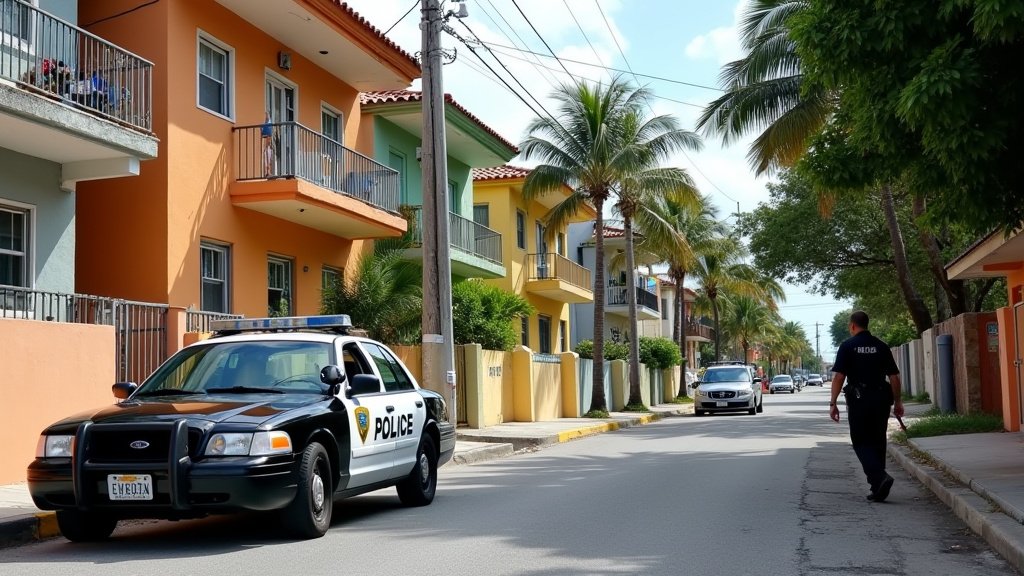
Little Havana presents a unique set of challenges for search operations. Characterized by high-density housing, narrow corridors, and bustling commercial streets, the area requires a granular approach to search and rescue. Unlike suburban environments where expansive areas can be covered quickly by aerial drones or K-9 units, urban searching involves detailed door-to-door canvassing. Officers are looking for any witnesses who may have been out on Thursday night, specifically targeting residential security cameras and business storefront footage that might have captured Hislop’s movements.
The Mechanics of the Search
Law enforcement search protocols for missing elderly citizens are meticulous. Upon receiving the initial report, the department establishes a perimeter. In this case, the focus is the immediate vicinity of where Hislop was last sighted. However, as time passes, this radius expands. Police are utilizing both uniform officers and plainclothes detectives to maximize the reach of the investigation. The goal is to establish a ‘last known point’ and trace potential paths of travel.
One of the primary difficulties in these scenarios is the unpredictability of human movement, especially in an urban environment with transit hubs and busy thoroughfares. Detectives are cross-referencing public transit data and reaching out to local shelters and medical facilities, a standard procedure when an individual cannot be located in their immediate neighborhood. The collaboration between the Miami Police Department and the Florida Department of Law Enforcement (FDLE) ensures that information is disseminated through statewide channels if the search continues to expand.
Community Vigilance and Public Safety
In situations like this, the community acts as the extended eyes and ears of the police force. Little Havana, a tight-knit and historically active neighborhood, is being asked to play a critical role. Residents are being encouraged to check their own security camera footage—specifically Ring doorbells, Nest cameras, or garage security systems—between Thursday night and the present time. Often, the smallest detail, such as a person walking in the background of a video clip, can provide the break investigators need.
Beyond checking footage, neighbors are encouraged to look in non-obvious places. Elderly individuals who become disoriented may seek shelter in shaded areas, under porches, or in common areas of apartment complexes. While residents should not intervene directly if they believe they have spotted the missing individual, they are advised to keep a line of sight if possible and call 911 immediately.
Understanding Senior Missing Person Protocols
The rapid response to this case underscores the importance of the Silver Alert system and general missing person protocols in Florida. While a Silver Alert is generally reserved for individuals with cognitive impairments like dementia or Alzheimer’s, the initial response from the Miami Police Department mirrors the urgency required to ensure the safety of any elderly citizen.
Historically, the most successful recoveries in urban environments come from a combination of technological tracking—such as credit card usage, cell phone pings (if a device is carried), and public transit card swipes—and the ‘human element,’ which relies entirely on neighbors reporting sightings. The police stress that no information is too trivial. Even if a resident thinks they saw someone matching the description on Thursday night but isn’t entirely sure, reporting that potential sighting helps investigators narrow down the timeline and the geographic focus.
As the search continues, the focus remains singular: the safe return of Lino Hislop. The department is working around the clock, and the case remains open and active. Families of missing persons are often advised to stay in close contact with their designated police liaison, who provides real-time updates on the progress of the search and manages the influx of tips from the public.
FAQ: People Also Ask
1. What should I do if I think I see Lino Hislop?
Do not approach the individual if you are unsure or if the situation seems precarious. Instead, maintain a safe distance, take a photo if it can be done discreetly and safely, and call the Miami Police Department immediately. Provide the exact location and the direction in which the individual is heading.
2. Is there a reward for information regarding this case?
At this time, there have been no announcements regarding a reward. The priority remains public assistance in locating the individual safely. If you have any information, the primary action is to contact the authorities directly.
3. Why is the search focused on Little Havana?
Little Havana is the area where Mr. Hislop was last seen on Thursday night. Police search protocols dictate that the initial search radius be focused on the last known location, as this provides the highest probability of locating the individual based on their walking distance range since they were last accounted for.
4. How does the Miami Police Department handle missing person cases?
MPD utilizes a tiered response system. For elderly or vulnerable individuals, the case is fast-tracked. They deploy patrol units to canvass the area, request surveillance footage from local businesses, and utilize inter-agency cooperation to alert neighboring jurisdictions if necessary.