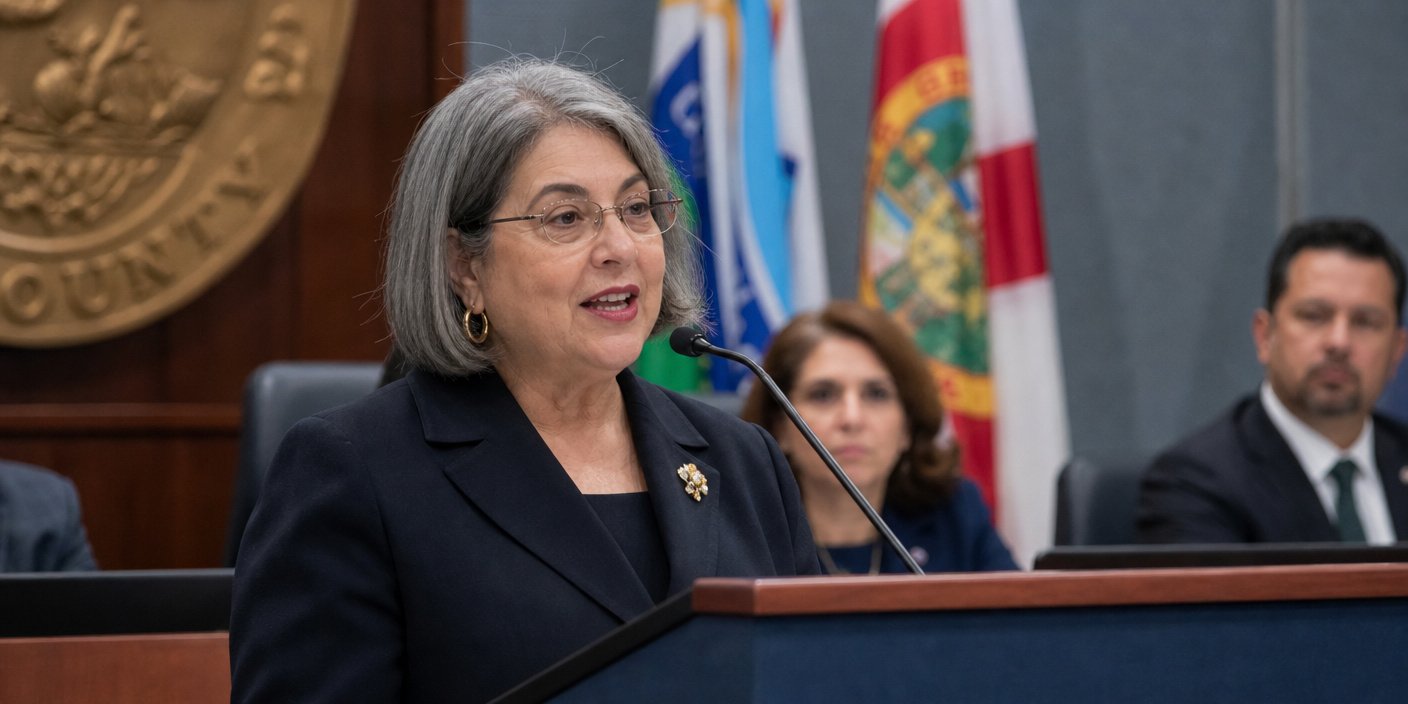
A senior U.S. Justice Department official has indicated a willingness to pursue cases against Cuban leaders, a move that comes as former President Donald Trump has floated the idea of a “friendly takeover” of Cuba. This development signals a potential shift in U.S. policy towards the island nation, with both legal and political ramifications.
Key Highlights:
- U.S. Justice Department considering legal action against Cuban leadership.
- Former President Trump suggests a “friendly takeover” approach.
- Potential for increased U.S. pressure on Cuba’s current government.
- The move signals a complex geopolitical and legal landscape.
Shifting Tides: DOJ’s Legal Scrutiny of Cuban Leadership
In a recent statement, a high-ranking official within the U.S. Department of Justice (DOJ) expressed an openness to exploring legal avenues against individuals within the Cuban government. While specific details of potential cases remain undisclosed, the mere suggestion signifies a heightened level of scrutiny and potential intervention. This stance could be interpreted as a response to ongoing human rights concerns or political instability within Cuba. The DOJ’s involvement, if it materializes into concrete actions, would represent a significant escalation in U.S. diplomatic and legal pressure on Havana.
Geopolitical Context and Motivations
The renewed focus from the Justice Department arrives at a time of considerable international flux. Cuba has been grappling with economic challenges, exacerbated by U.S. sanctions and internal policy issues. Simultaneously, the political discourse in the United States, particularly surrounding a potential future administration under Donald Trump, has included bold proposals regarding Cuba. Trump’s suggestion of a “friendly takeover” is unorthodox and open to interpretation, but it broadly implies a desire for significant change in Cuba’s political and economic structure, potentially through non-coercive means, though the specifics are vague.
Entities and Legal Frameworks
The potential legal actions could draw upon various international and U.S. legal frameworks. Entities such as the Office of the Comptroller of the Currency (OCC) and the Treasury Department’s Office of Foreign Assets Control (OFAC) often play roles in enforcing sanctions and financial regulations related to Cuba. Depending on the nature of the alleged offenses, the DOJ might explore charges related to financial crimes, human rights abuses, or violations of international law. The effectiveness and feasibility of such legal pursuits would hinge on complex jurisdictional issues and the willingness of international bodies to cooperate.
Secondary Angles: Economic Repercussions and Future Projections
Beyond the legal and political machinations, the prospect of intensified U.S. pressure carries significant economic implications for Cuba. The island’s economy is heavily reliant on international trade and tourism, both of which can be severely impacted by U.S. policy shifts. Sanctions, travel restrictions, and financial deterrents could further cripple an already fragile economic system. Looking ahead, the interplay between the DOJ’s potential legal actions and Trump’s “friendly takeover” concept creates an unpredictable future for U.S.-Cuba relations. It suggests a period of heightened tension and strategic maneuvering, with implications for regional stability and the lives of the Cuban people.
FAQ: People Also Ask
What is the U.S. Justice Department’s role in foreign policy?
While the State Department is the primary agency for foreign policy, the Justice Department can play a role through law enforcement, international legal cooperation, and the prosecution of individuals involved in transnational crimes, terrorism, or human rights abuses that fall under U.S. jurisdiction or international agreements.
What does “friendly takeover” imply in a political context?
In a political context, a “friendly takeover” typically suggests a transition of power or significant policy change that is not achieved through overt force or coercion. It implies a process that, at least superficially, aims for a smooth and non-disruptive transition, though the definition can be subjective and potentially mask underlying pressures or agendas.
Are there existing legal cases against Cuban leaders by the U.S.?
Historically, the U.S. has imposed sanctions and restrictions on Cuba and some of its leaders. While direct legal prosecutions of sitting leaders of a sovereign nation by another nation’s justice department are complex and rare due to jurisdictional and diplomatic issues, legal actions have been pursued against Cuban individuals for specific crimes, such as drug trafficking or financial fraud, when jurisdiction allowed.
How might U.S. legal actions affect Cuba’s economy?
Intensified U.S. legal actions, especially if coupled with enhanced sanctions or financial restrictions, could severely disrupt Cuba’s economy by limiting access to international markets, deterring foreign investment, and reducing tourism revenue, further exacerbating existing economic challenges.
What is the significance of the Trump administration’s past Cuba policy?
The Trump administration generally pursued a more hardline policy towards Cuba compared to its predecessor, rolling back some of the Obama-era normalization efforts, reimposing sanctions, and limiting travel. This historical context is relevant when considering his current “friendly takeover” suggestion.