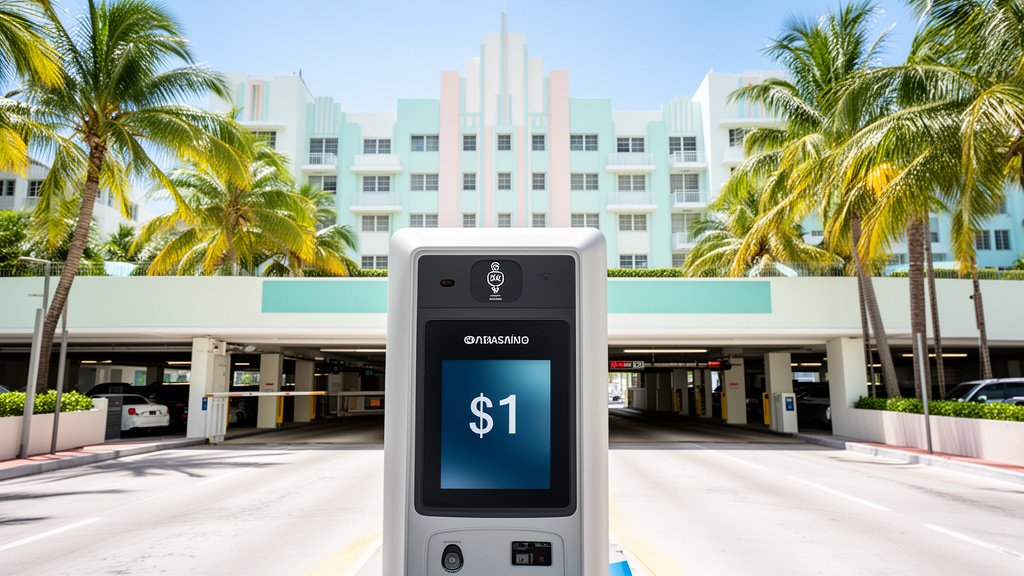
In a strategic move to invigorate local tourism, the City of Miami Beach has announced a significant reduction in parking fees, offering a $1 hourly rate for visitors throughout the late summer and early autumn. Effective from August 1 through October 31, the initiative targets the traditional ‘off-season’ or ‘shoulder season,’ a period when foot traffic typically wanes, aiming to keep local businesses, restaurants, and retail spaces vibrant despite the departure of the primary winter tourist cohort.
Key Highlights
- Pricing Structure: A flat $1 hourly parking rate is available throughout the designated period.
- Operational Window: The incentive program runs strictly from August 1 to October 31.
- Strategic Objective: Designed to mitigate the economic slowdown associated with the off-season by lowering the cost of entry for regional day-trippers and local residents.
- Focus Area: Applies to municipal garages and select surface lots managed by the City of Miami Beach Parking Department.
Driving Demand: The Economics of the $1 Initiative
The decision by the City of Miami Beach to implement a $1 hourly rate is far more than a simple convenience for beachgoers; it is a calculated urban planning and economic stimulus strategy. During the peak winter months, parking in Miami Beach can often be a premium commodity, with demand-based pricing reflective of the high influx of international and domestic visitors. However, as the heat index rises and the calendar moves into the late summer, the City of Miami Beach recognizes the necessity of adjusting its fiscal levers to ensure that economic velocity remains steady.
The ‘Shoulder Season’ Challenge
For destinations like South Beach, the late summer and early autumn months represent a precarious time for business owners. The local economy relies heavily on tourism, and when international travel numbers dip, the city becomes heavily dependent on regional traffic—specifically residents from Miami-Dade, Broward, and Palm Beach counties. By removing the ‘friction’ of high-cost parking, the city effectively lowers the total cost of attendance for a day trip. This strategic reduction targets the ‘price-sensitive’ consumer segment, encouraging families and younger demographics who might otherwise avoid the beach due to high-cost urban logistics. The Greater Miami Convention & Visitors Bureau often emphasizes the need for year-round engagement, and this parking program serves as a tangible execution of that goal.
Strategic Urban Management and Mobility
Parking management is a cornerstone of modern urban planning in high-density environments like Miami Beach. The City of Miami Beach Parking Department manages thousands of spaces, and their ability to pivot pricing models demonstrates a sophisticated approach to municipal revenue and traffic flow. By concentrating the $1 rate into specific garages, the city can influence driver behavior, pushing traffic away from congested street-level spots and toward organized municipal parking structures. This not only eases traffic congestion—a perennial issue in the South Beach area—but also increases the safety and efficiency of vehicular movement on narrow arterial roads. The data collected during this three-month window will likely be used to calibrate future pricing models, providing city planners with valuable insights into price elasticity and demand sensitivity.
Psychological Incentives and Consumer Behavior
There is a psychological component to the $1 rate that goes beyond mere math. In the world of destination marketing, a ‘dollar’ price point creates an anchor for the consumer. It reframes a trip to Miami Beach from an ‘expensive event’ to an ‘accessible outing.’ When the barrier to entry is lowered, consumer spending behavior often shifts; the money saved on parking is frequently redirected toward local restaurants, beachside concessions, and boutique retail. This multiplier effect is what the city hopes to capitalize on. By incentivizing the physical arrival of visitors, the municipal government is effectively subsidizing the revenue streams of local businesses that typically see a downturn during these months.
Infrastructure and Long-Term Viability
As Miami Beach looks toward future urban development, the maintenance and modernization of parking infrastructure remain paramount. The revenue generated from municipal garages is typically reinvested into city services, ranging from beach maintenance to public safety and infrastructure upgrades. Critics of temporary price slashing often point to potential revenue loss for the city. However, the City of Miami Beach contends that a ‘stagnant’ garage—one that sits empty because pricing is too high during the off-season—generates zero revenue and zero economic activity for the surrounding area. A full garage at $1 per hour, combined with the subsequent tourism spend, is viewed as a net positive for the city’s broader fiscal health. The success of this program will be measured not just by garage occupancy rates, but by the anecdotal and data-driven feedback from local stakeholders and retail associations regarding quarterly revenue growth.
FAQ: People Also Ask
Q: Is the $1 parking rate available in every parking lot in Miami Beach?
A: The $1 rate applies primarily to municipal parking garages and select city-managed surface lots. It does not typically apply to private parking lots or valet services, which retain their own independent pricing structures. Visitors are advised to look for signs in municipal facilities.
Q: Does this discount apply to street parking or just garages?
A: The primary focus of the $1 incentive program is municipal garages. On-street metered parking often remains subject to standard demand-based or zone-based pricing to encourage turnover and manage traffic flow, though visitors should check the specific meters upon arrival.
Q: Why does the city offer this only from August to October?
A: August through October is historically considered the off-season for Miami Beach due to the summer heat and the hurricane season. This period experiences a natural decline in overnight international and domestic tourism. The incentive is a stimulus measure to encourage day-trip visitation during this lull.
Q: How do I ensure I get the $1 rate when I arrive?
A: The rate is usually applied automatically within the municipal parking systems. However, users should verify the rate displayed on the entry ticket or the payment kiosk before finalizing their transaction to ensure the discount is active for that specific location.