Restoring Mobility and Economic Opportunity for Miami-Dade Residents
The Impact of Suspended Licenses on Local Workforce
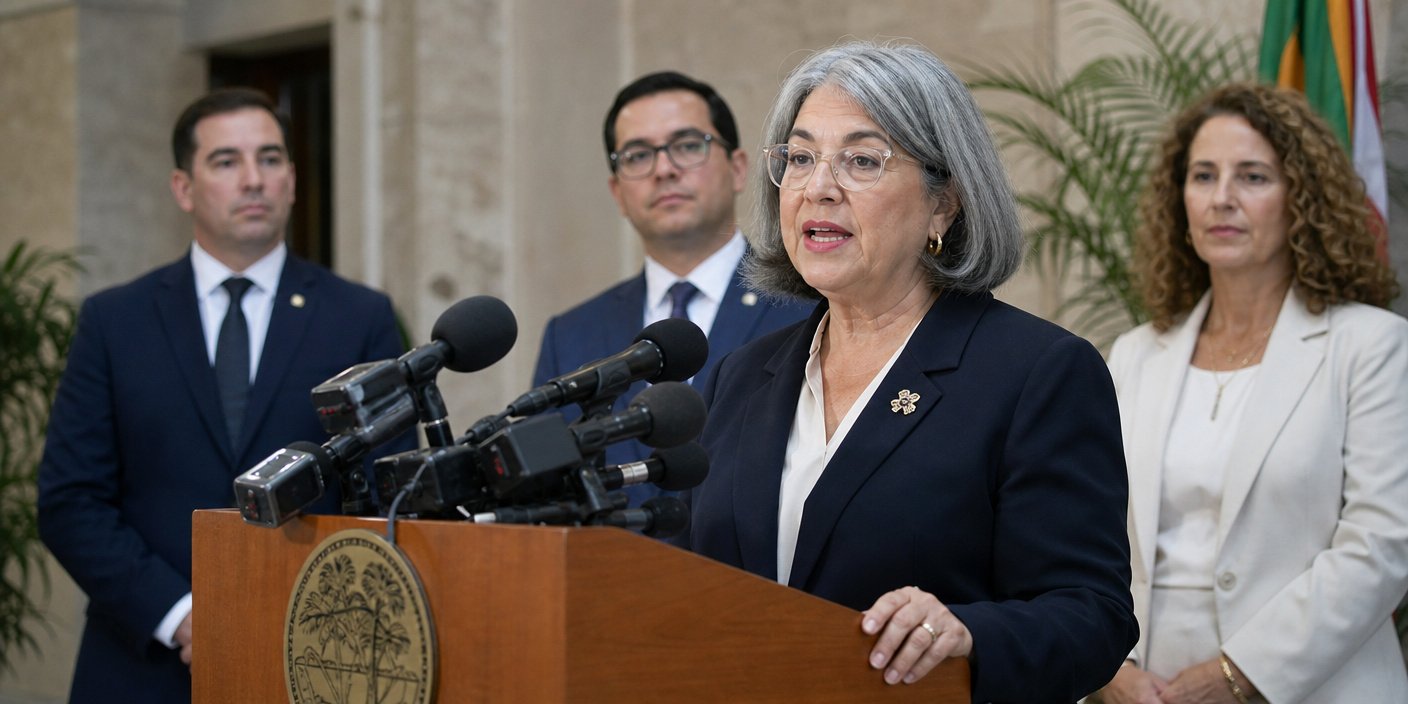
For many residents in Miami-Dade County, a suspended driver’s license is more than a legal inconvenience; it is a profound barrier to economic stability. Without a valid license, securing reliable transportation to work, school, or medical appointments becomes a complex, often impossible task. This “transportation trap” disproportionately affects lower-income families, trapping them in a cycle of debt and limited employment opportunities. The new initiative, spearheaded by Commissioner Eileen Higgins and Clerk of Courts Juan Fernandez-Barquin, directly targets this systemic issue by providing a streamlined path for residents to resolve outstanding traffic citations and regain their driving privileges.
How the Initiative Operates
The program is designed to be user-friendly and accessible, recognizing that the current administrative process for license reinstatement can be intimidating and confusing. By bringing together the resources of the Clerk of Courts office and the strategic planning of the Board of County Commissioners, the initiative aims to clear the bureaucratic hurdles that often lead to prolonged suspensions. Residents can expect dedicated assistance in understanding their specific case status, identifying payment plan options for fines, and navigating the necessary filings with the Florida Department of Highway Safety and Motor Vehicles.
Addressing the Root Causes
Many license suspensions in Florida are linked to an inability to pay traffic fines rather than dangerous driving behavior. This program emphasizes a shift toward rehabilitation and re-integration rather than punitive measures. By offering manageable pathways to compliance, the county hopes to reduce the number of people driving illegally out of necessity, thereby improving overall road safety while simultaneously bolstering the local economy. When residents are able to drive legally, they can pursue higher-paying jobs, contribute more effectively to the local economy, and fulfill their family responsibilities without the constant fear of further legal repercussions.
A Collaborative Approach to Public Service
This partnership between Eileen Higgins and Juan Fernandez-Barquin highlights the importance of inter-agency cooperation in solving complex urban problems. By aligning the legislative priorities of the County Commission with the administrative capabilities of the Clerk’s office, they are demonstrating a proactive model of governance. The initiative is not merely about clearing a backlog of cases; it is about providing a tangible service that impacts the daily quality of life for thousands of Miami-Dade constituents. Future phases of the program may include community outreach events, digital portals for case review, and partnerships with local organizations to provide legal counsel for more complex suspension cases.
Measuring Success and Looking Forward
The success of this initiative will be measured not just by the number of licenses restored, but by the long-term economic outcomes for participants. Organizers plan to track employment trends and participation rates to refine the program over the coming months. If successful, this Miami-Dade pilot could serve as a blueprint for other urban jurisdictions across the country facing similar challenges with license suspension rates and their subsequent impact on workforce development. The commitment from leadership to prioritize this issue underscores a broader trend of local governments seeking innovative, non-traditional solutions to mitigate poverty and improve social equity.
FAQ: People Also Ask
1. Who is eligible for the driver’s license restoration program?
Eligibility criteria depend on the reason for the license suspension. Generally, the program is designed to assist those whose licenses were suspended for non-criminal traffic issues, such as unpaid fines. Residents should contact the Clerk of Courts for a case-specific assessment.
2. Is there a cost associated with restoring my license through this program?
While the program aims to make the process more affordable, residents may still be responsible for underlying fines or state-mandated reinstatement fees. The program helps by structuring payment plans and eliminating administrative roadblocks, not necessarily by forgiving state-mandated debts.
3. How can I apply for assistance?
Interested residents should visit the official Miami-Dade Clerk of Courts website or contact the Commissioner’s office to find details on upcoming community clinics, required documentation, and current enrollment procedures.