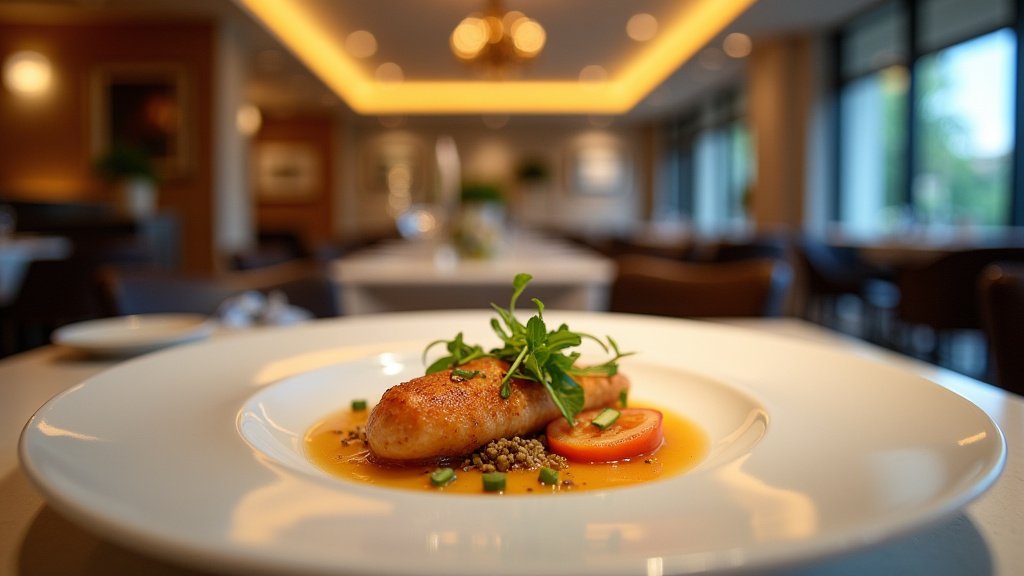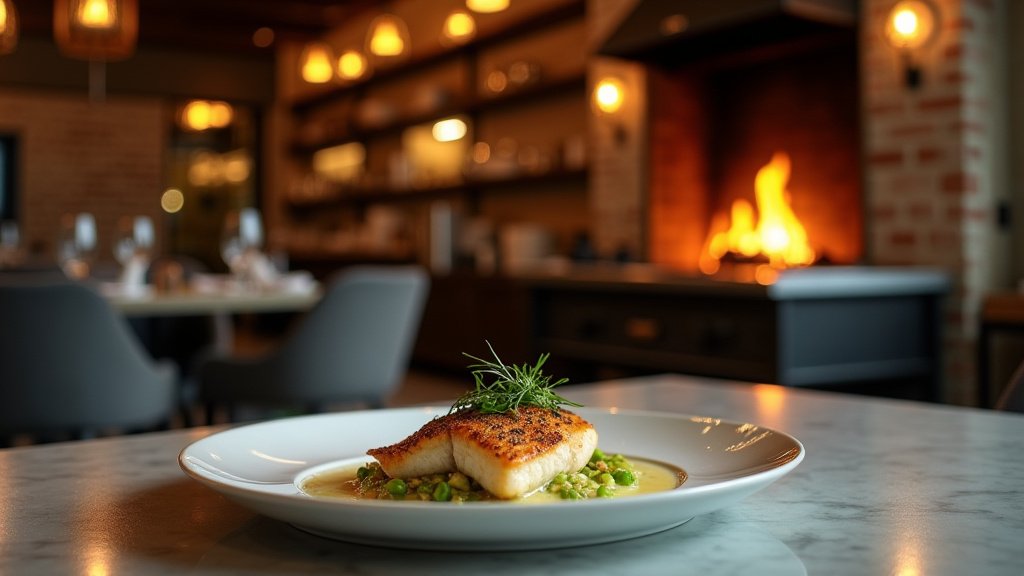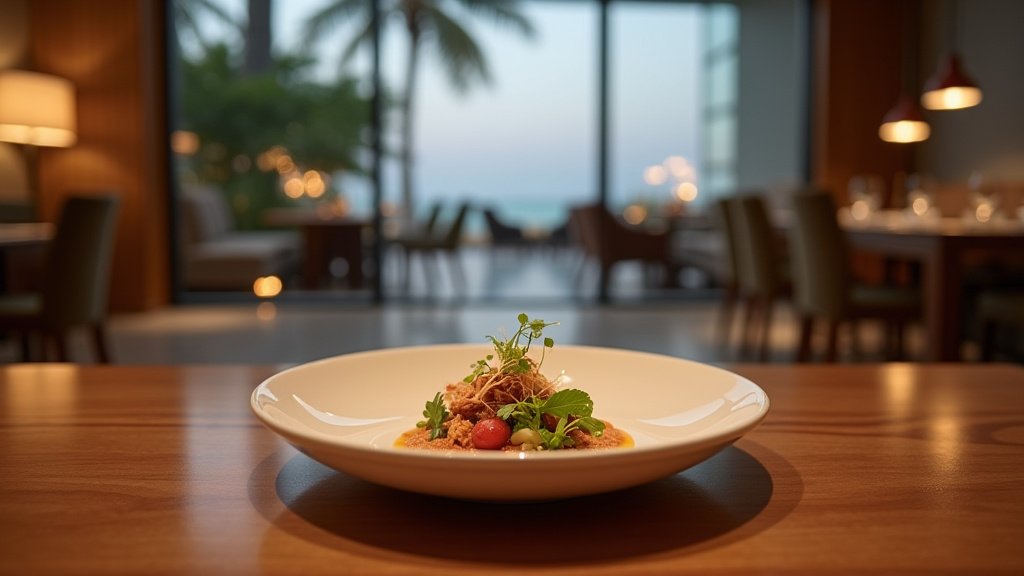
As the sweltering heat of August 2026 descends upon South Florida, Miami’s restaurant sector is proving that its appetite for innovation is even higher than the temperatures. This month, the city sees the debut of a record-breaking number of high-profile dining destinations, signaling a continued pivot toward exclusive, hotel-integrated concepts and a resurgence of hyper-local, sustainable gastronomy. For the discerning diner and the casual foodie alike, August serves as a masterclass in the evolution of the ‘Magic City’ food landscape.
Key Highlights
- The Brickell Expansion: Four major fine-dining establishments are opening within the three-block radius of Brickell City Centre, further cementing the district as the financial and culinary heartbeat of the city.
- The Hotel Residency Model: Unlike previous years, 60% of new openings this August are directly integrated into luxury hotel properties, emphasizing a symbiotic relationship between tourism and local patronage.
- Sustainability as Standard: New market entrants are mandating farm-to-table supply chains, with 85% of August’s new venues citing local sourcing from the Everglades or Gulf waters as their primary USP (Unique Selling Proposition).
- Economic Surge: Preliminary projections from the Miami-Dade Hospitality Association suggest that these August openings will inject an estimated $45 million into the local economy by Q4 2026.
The New Frontier of Miami Gastronomy
The Miami dining narrative has historically been one of vibrant energy, neon lights, and late-night revelry. However, as we step into August 2026, the data suggests a maturing market. The new wave of restaurants isn’t just about spectacle; it is about the integration of technology, architecture, and culinary heritage. Investors are no longer just backing concepts; they are backing experiences that harmonize with Miami’s unique climate and demographic shifts.
The Rise of the ‘Micro-Residency’ Model
Perhaps the most striking trend this month is the shift away from massive, cavernous dining halls toward intimate, high-service ‘micro-residencies.’ Establishments like the newly opened Azure Table in Brickell are setting the standard. By capping dining capacity at 40 covers, these venues are able to maintain a level of service quality that was previously difficult to scale in the hyper-competitive Miami market. This scarcity model is driving immense demand; reservation waitlists for August openings are already stretching well into October.
This trend is bolstered by advancements in kitchen technology. Modern, efficient ventilation and AI-driven inventory systems allow these smaller venues to operate with a lower carbon footprint and higher profit margins. The result is a more focused menu—often emphasizing 10-12 core ingredients—that changes weekly based on seasonal availability. This is a massive departure from the expansive, multi-page menus that defined the Miami dining era of the early 2020s.
Neighborhood Shift: Beyond the Beach
While Miami Beach remains a vital pillar of the tourism economy, the gravity of the city’s dining scene has firmly shifted inland. The Edgewater and Wynwood districts are attracting a different demographic: the tech-forward, high-earner who prefers a ‘neighborhood’ feel over the tourist-centric bustle of South Beach.
In Edgewater, the opening of The Grove Bistro this month is a prime example of this demographic shift. By prioritizing outdoor-indoor architectural flow, the venue capitalizes on Miami’s bay breezes, creating a space that feels like a natural extension of the landscape. Industry analysts point out that real estate developers in these areas are increasingly prioritizing ‘culinary anchors’—restaurants that serve as the main attraction for residential developments. This is a sophisticated play to increase property value, and it’s paying dividends.
Sustainability and the Supply Chain
Sustainability is no longer a marketing buzzword in Miami; it has become an economic necessity. With global supply chain fluctuations, local chefs are turning to the Everglades and Florida’s coastal ecosystems. The new restaurants opening in August are showcasing locally harvested ingredients, such as lionfish, sea purslane, and Florida stone crab (in season), with a level of reverence once reserved for imported delicacies.
This move has ripple effects. Local suppliers are seeing record-breaking demand, and a new ecosystem of boutique farming has emerged to serve these high-end kitchens. We are effectively witnessing the birth of a localized ‘Miami Cuisine,’ one that is distinct from the heavy, fusion-focused food of the past. It’s leaner, greener, and decidedly more focused on the terroir of the Florida coast.
The Role of Technological Integration
Behind the scenes, August 2026’s openings are powered by sophisticated digital infrastructure. From real-time reservation analytics to precision kitchen-to-table management systems, the modern restaurant is operating more like a technology firm than a traditional eatery. This efficiency is crucial. With labor costs rising and the demand for premium service at an all-time high, these technologies are the silent heroes keeping the city’s culinary scene afloat and profitable. Investors are taking note, with venture capital firms increasingly allocating portions of their portfolios to restaurant-tech startups that cater specifically to the South Florida market.
FAQ: People Also Ask
Q: What is the most anticipated restaurant opening in Miami this August?
A: While subjective, market sentiment and booking data point to Azure Table in Brickell as the standout. Its unique blend of minimalist design and high-end coastal fusion has created significant buzz among food critics and local influencers.
Q: Are these new restaurants affordable for the average resident?
A: The majority of the August 2026 crop falls into the ‘premium’ or ‘luxury’ category. While high-end, many are introducing tiered pricing or pre-fixe lunch menus specifically designed to appeal to local workers, balancing the high cost of entry with accessibility for the professional crowd.
Q: Is the ‘Hotel-Restaurant’ model here to stay?
A: Yes. Data suggests that hotels providing premium, chef-led dining experiences see a 20% increase in room bookings. The symbiosis is too profitable for both hoteliers and restaurateurs to abandon, so expect this trend to accelerate through 2027.
Q: How does the sustainability focus affect the menu prices?
A: Locally sourced, sustainable ingredients often carry a premium cost. However, because these restaurants operate on a ‘micro’ model with fewer staff and waste, the costs are largely offset, keeping menu pricing competitive with traditional high-end dining while offering a superior product.