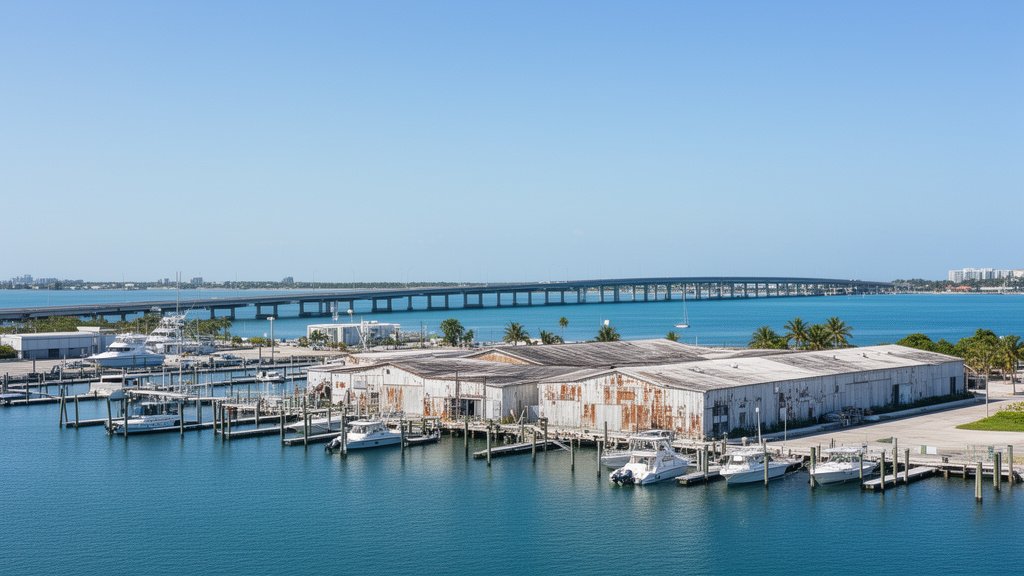
A Miami-Dade Circuit Court judge has officially dismissed a legal challenge aimed at blocking a November referendum, clearing a significant hurdle for the City of Miami’s ambitious plan to modernize the Rickenbacker Marina. This pivotal court ruling shifts the decision-making process directly to the city’s electorate, who will now determine whether the $80 million redevelopment project will proceed. The move marks a definitive step forward in a long-standing debate over the future of the iconic waterfront location.
Key Highlights
- Legal Victory: A Miami-Dade Circuit Court judge dismissed a lawsuit that sought to halt the upcoming November referendum.
- Project Valuation: The proposed redevelopment of the Rickenbacker Marina is valued at approximately $80 million.
- Direct Democracy: Voters in the City of Miami will now decide the project’s fate, effectively prioritizing public mandate over judicial intervention.
- Location Significance: The site serves as a critical gateway to Virginia Key and a major hub for boating and recreational access in the region.
Navigating the Path to the Rickenbacker Redevelopment
Clearing the Legal Path to November
The recent decision by the Miami-Dade Circuit Court serves as the culmination of months of legal maneuvering between the City of Miami and local advocacy groups. The lawsuit, which alleged procedural and environmental concerns, had effectively placed the multi-million dollar project in limbo. By dismissing the challenge, the court has upheld the city’s right to present the proposal to the voters. For city officials, this is a validation of their process, ensuring that the final say rests with the taxpayers rather than in the courtroom. This decision removes the cloud of uncertainty that has hung over the procurement and planning stages, setting the stage for a high-stakes campaign season as the November election date approaches.
The $80 Million Vision: What the Project Entails
The proposed $80 million redevelopment is far more than a simple cosmetic upgrade to the existing marine facilities. The blueprint, which city officials have been refining for years, includes a comprehensive overhaul of the boat storage systems, significant improvements to the public parking and traffic management infrastructure, and enhanced access to the water for recreational users.
Central to the plan is the modernization of dry storage capabilities. Currently, the Rickenbacker Marina is a vital economic engine for the maritime community, providing essential storage and maintenance services. The new proposal aims to replace aging, storm-vulnerable structures with resilient, state-of-the-art facilities designed to withstand the increasingly severe weather events impacting South Florida. Additionally, the project design incorporates a more integrated approach to the Rickenbacker Causeway entrance, aiming to mitigate the notorious traffic congestion that plagues the area during peak weekends and holidays. The investment also promises an uptick in tax revenue for the city, which officials argue is necessary to maintain and expand other parks and public spaces across the municipal area.
The Economic Argument vs. Environmental Concerns
The debate surrounding the Rickenbacker Marina has essentially become a microcosm of the wider tension in Miami: balancing rapid economic growth against environmental preservation. Proponents of the project emphasize the dire need for infrastructure updates. Without the $80 million investment, the facility risks falling into disrepair, potentially leading to lost revenues and a decline in the quality of the services provided to boaters. Supporters also point to the potential for job creation and increased economic activity, arguing that a modernized marina will attract higher-end tourism and support the local maritime industry.
However, the project is not without its detractors. Critics, including local environmental advocacy groups and residents of nearby neighborhoods, have expressed concerns regarding the scale of the development. The primary opposition centers on the fear of over-commercialization and the potential impact on the delicate ecosystem of Virginia Key. Many argue that the proposed structures are too dense for the sensitive coastal environment and that public access to the shoreline could be marginalized in favor of high-paying private boat owners. The discourse has been heated, with both sides presenting conflicting reports on the environmental long-term viability of the construction plans.
Navigating the Future of Miami’s Waterfront
As the city heads toward the November ballot, the conversation will undoubtedly pivot from legal arguments to public perception. The outcome of this referendum will set a powerful precedent for how Miami manages its limited and precious waterfront real estate. If the voters approve the $80 million investment, it will signal a preference for modernization and active economic development. If rejected, it will force the city to return to the drawing board, potentially leading to a scaled-back or significantly altered version of the marina.
Furthermore, this vote serves as a litmus test for the current administration’s development policies. The Rickenbacker Marina is not an isolated project; it is linked to the city’s broader long-term master plan for infrastructure resilience. The decisions made this November will have lasting implications, potentially influencing how the city approaches future leases and development partnerships for other public-private properties. As we look to the future, the Rickenbacker vote will likely be viewed as a turning point in the city’s efforts to balance its identity as a growing global hub with the imperative to protect its natural and public assets.
FAQ: People Also Ask
Q: When will the referendum on the Rickenbacker Marina take place?
A: The vote is scheduled to occur during the November election cycle. Voters in the City of Miami will have the final say on whether the $80 million redevelopment plan proceeds.
Q: What was the core of the legal challenge dismissed by the court?
A: The legal challenge questioned the procedures and potential impacts of the redevelopment, arguing that the city’s approach to the lease and development process was flawed or lacked sufficient transparency regarding environmental and public access impacts. The court’s dismissal effectively nullified these arguments, allowing the referendum to move forward.
Q: How does this project affect traffic near the Rickenbacker Causeway?
A: A primary component of the $80 million proposal includes traffic mitigation strategies designed to improve flow and access at the entrance to the marina and the causeway, addressing long-standing complaints about congestion in the area.
Q: Does the $80 million budget cover only the storage facilities?
A: No, the budget is intended for a comprehensive site redevelopment, which includes modernization of dry storage, infrastructure upgrades for utility resilience against storm surges, and site-wide improvements to facilitate better public and recreational access.