Authorities in Miami are calling on the public to assist in the search for Lino Hislop, a 71-year-old resident who has been reported missing from the Little Havana neighborhood. The Miami Police Department issued the alert after Hislop was last observed on the 1500 block of Southwest Fifth Street, a critical area within one of the city’s most densely populated and active districts. The disappearance has triggered immediate concern among local law enforcement and community advocates, as the search enters a critical phase where the timeline becomes a pivotal factor in ensuring a safe recovery.
Key Highlights:
- Search Subject: Lino Hislop, 71 years of age.
- Last Known Location: 1500 block of Southwest Fifth Street, Little Havana, Miami.
- Current Status: Missing; Miami Police Department is actively investigating and requesting public information.
- How to Help: Residents with any information, including doorbell camera footage or sightings, are urged to contact local authorities immediately.
Understanding the Critical Search Operation
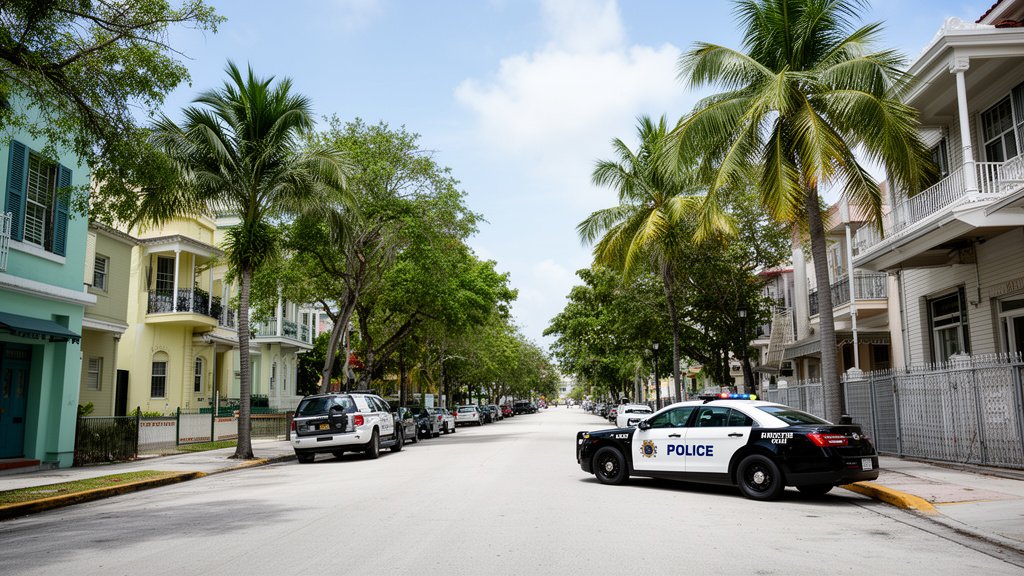
The disappearance of Lino Hislop from Little Havana has underscored the complex logistical challenges faced by law enforcement when managing missing person cases in highly urbanized environments. The 1500 block of Southwest Fifth Street is located in the heart of Little Havana, a vibrant neighborhood characterized by high foot traffic, intersecting residential and commercial zones, and a rapid pace of daily activity. When a vulnerable senior citizen goes missing in such a locale, the search parameters must be broad yet precise, requiring a multi-layered approach that includes neighborhood canvassing, electronic surveillance review, and community engagement.
The Importance of the First 48 Hours
In standard missing person protocols, the initial 48-hour window is considered the most vital period for law enforcement. During this time, the ability to trace the subject’s movements through security footage, witness reports, and forensic data is at its peak. The Miami Police Department relies heavily on “situational awareness,” a methodology that involves mapping the most likely paths a person of Hislop’s age and background might take. By focusing the search on the immediate vicinity of the 1500 block of Southwest Fifth Street, authorities hope to narrow the field of search and leverage local community knowledge.
The Role of Urban Infrastructure
Little Havana is a labyrinth of historic architecture and narrow streetscapes. For police, this environment presents both hurdles and opportunities. While the density of the area makes it difficult to track a single individual without technological assistance, the sheer volume of residents and business owners provides a network of potential witnesses. The search for Hislop is not just a police action; it is a community-wide effort. The local municipal strategy often involves public information campaigns to encourage residents to check private surveillance systems, such as Ring doorbells or home security cameras, for any signs of the missing individual during the reported timeframe.
Community Dynamics and Safety in Little Havana
The Little Havana community has historically demonstrated a strong capacity for self-policing and neighborhood watch efforts. In cases like this, the social fabric of the district becomes an essential asset. Residents in the area have been encouraged to share information and remain vigilant. This incident serves as a sobering reminder of the importance of community oversight regarding the well-being of the elderly. As the city continues to densify, the vulnerability of the senior population remains a key topic of discussion among city planners and social safety advocates. Ensuring that seniors can navigate the urban landscape safely requires a combination of accessible infrastructure, public awareness, and swift emergency response systems.
Vulnerability of Seniors in Urban Environments
The navigation of dense metropolitan areas can be particularly challenging for seniors due to a variety of factors, ranging from diminished mobility to disorientation. In the context of this search, the Miami Police Department is operating under the assumption that the subject may require assistance or might be experiencing a health-related episode. This elevates the priority level of the search, moving it beyond a standard welfare check to an emergency response mission. The city’s health departments often collaborate with police in these scenarios, highlighting the need for specialized intervention strategies when dealing with missing persons who may have medical vulnerabilities.
Future Implications for Neighborhood Safety
This incident is likely to spark further dialogue regarding the deployment of “Silver Alert” systems and the expansion of community support networks. Improving communication between the municipal authorities and the residents of Little Havana is essential for preventing future occurrences. Long-term strategies often include better lighting, increased patrol presence in pedestrian-heavy zones, and more robust registries for at-risk seniors. As the search for Hislop continues, the focus remains on the immediate tactical goal: safely reuniting the resident with their family. However, the subsequent analysis of how this disappearance occurred will be crucial for the city’s broader mission of enhancing safety for all citizens, particularly those who are most vulnerable.
FAQ: People Also Ask
1. What should I do if I think I saw Lino Hislop?
If you believe you have seen Lino Hislop, do not hesitate. Contact the Miami Police Department immediately. Provide as much detail as possible, including the exact location, time of day, and any specific clothing or physical characteristics observed. Do not wait to verify the information yourself; let the authorities handle the investigation.
2. Is there a specific protocol for missing seniors in Miami?
Yes, the Miami Police Department follows strict missing person protocols, often coordinating with the Florida Department of Law Enforcement (FDLE) to issue Silver Alerts if the criteria are met. These alerts are specifically designed to disseminate information about missing seniors to the media and law enforcement agencies across the state.
3. How can residents of Little Havana best assist in this search?
Residents are encouraged to check their personal security cameras, including front-door cameras and dashboard cameras, for any footage covering the time period around Mr. Hislop’s disappearance. Sharing the information on social media or with neighbors is also highly effective, as it expands the search net significantly beyond the reach of standard police patrols.
4. Why is the 1500 block of Southwest Fifth Street the focus of the search?
This location is the last place where Mr. Hislop was reportedly seen. In investigation tactics, the ‘last known point’ is the ground zero of the search operation. It allows police to create a radius of interest based on the time elapsed and the typical walking patterns of the individual in question.