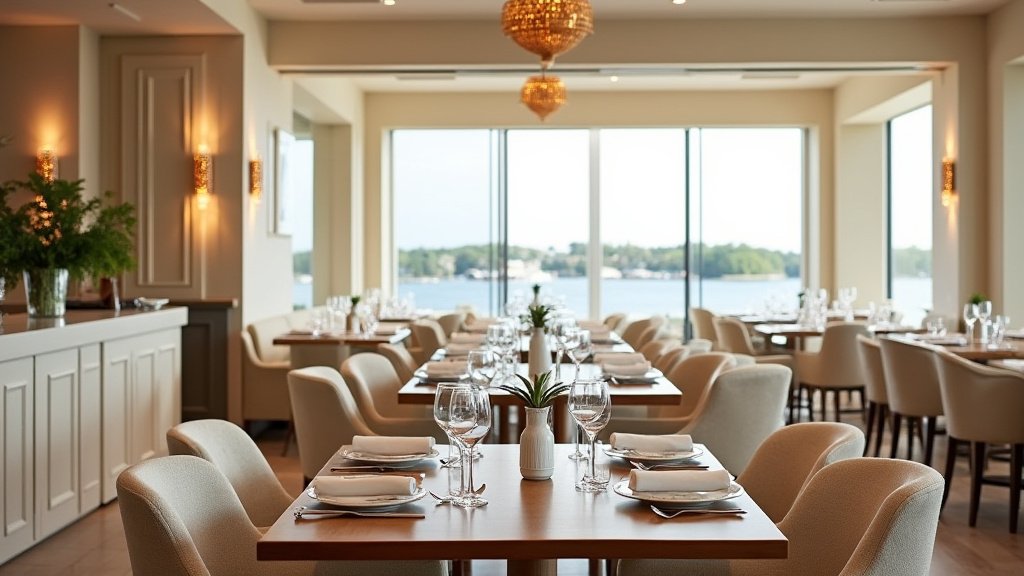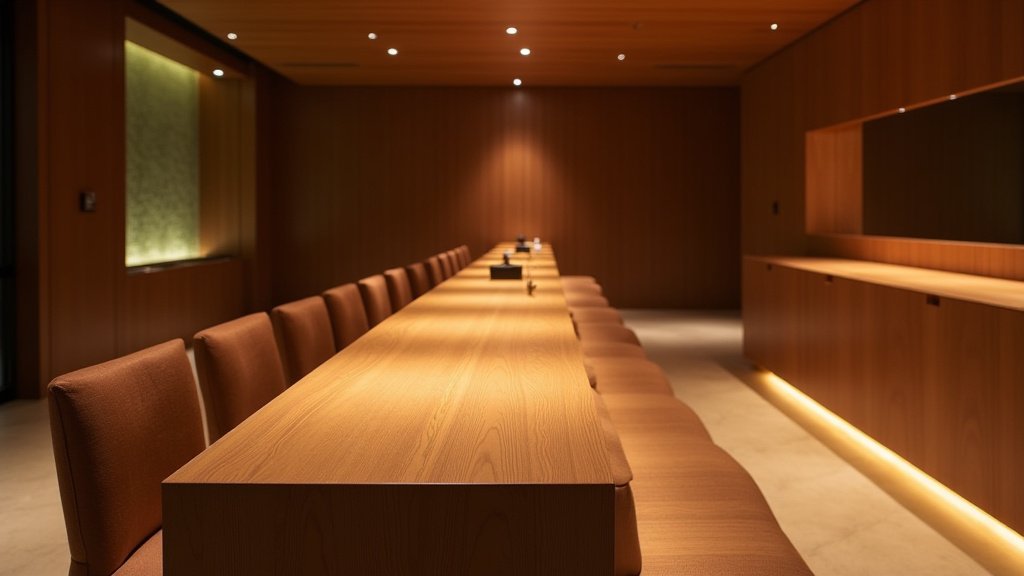
Los Mochis, the London-based restaurant sensation famous for its FACT Award-winning Japanese-Mexican fusion, is officially planting its flag in South Florida, marking the brand’s first-ever U.S. location and its highly anticipated international debut. This strategic expansion represents a significant shift for the group, transitioning from their successful Notting Hill and City locations to the hyper-competitive Miami culinary landscape. By introducing their unique gastronomic blend—an intricate marriage of Japanese precision and Mexican spice—Los Mochis aims to carve out a new niche in a city already defined by high-end luxury dining. Central to this new chapter is the launch of ‘TENrei,’ an exclusive 12-seat omakase counter that promises to redefine the local standards for intimate, high-end dining experiences.
The Fusion Revolution: Los Mochis Lands in Miami
From Notting Hill to the Magic City
The decision to enter the U.S. market via Miami is a calculated move that reflects the city’s status as a burgeoning global capital for high-concept hospitality. Los Mochis, which has built its reputation on a ‘co-fusion’ philosophy, offers a menu that defies traditional categorization. Unlike standard fusion restaurants that lean heavily into one cuisine, Los Mochis maintains a delicate equilibrium. The brand’s identity is built on the premise that the vibrant, earthy heat of Mexican cuisine and the refined, technical artistry of Japanese culinary practices share a common ancestor: a deep reverence for the integrity of raw ingredients.
For Miami, this addition is not merely another restaurant opening; it is the arrival of an established London powerhouse that has already successfully navigated the demanding tastes of the UK capital. The operational challenge now lies in translating that London-centric success into the distinct, fast-paced rhythm of South Florida. Industry analysts suggest that Los Mochis is positioning itself to appeal to the intersection of Miami’s local affluent demographic and the city’s international tourism influx, effectively bridging the gap between casual luxury and fine-dining exclusivity.
Decoding the TENrei Omakase Experience
The crown jewel of this international expansion is undoubtedly the introduction of ‘TENrei.’ While the main restaurant will feature the brand’s celebrated à la carte menu—known for its standout tacos, tostadas, and intricate sashimi—TENrei serves as a dedicated, private omakase counter. With only 12 seats available per seating, this venue is designed to be the antithesis of the large-format, loud restaurant scene prevalent in parts of Miami Beach and Brickell.
TENrei is positioned to offer a hyper-curated experience. The concept behind it is rooted in the Japanese principle of ‘Omotenashi’—the art of selfless hospitality—combined with the bold, often fiery elements of Mexican ingredient profiles. Diners can expect a rotating menu that focuses on seasonality and rarity. By limiting the seating capacity to 12, Los Mochis ensures that the chef’s interaction with the diner is the primary focus, creating an intimate dialogue between the kitchen and the table. This move is indicative of a broader industry trend where high-end dining brands are increasingly carving out ‘micro-venues’ within their larger properties to cater to the ultra-high-net-worth individual (UHNWI) market segment.
The Strategic Shift in South Florida Dining
Miami’s restaurant scene has matured exponentially over the last five years, moving beyond the nightlife-centric dining of the mid-2010s to a more sophisticated, food-forward environment. The arrival of Los Mochis underscores this evolution. When international brands choose Miami for their U.S. debuts, they are betting on the city’s sustained growth as a cultural hub. The economic impact of such a launch is twofold: it introduces new labor market demands and elevated supply chain logistics, specifically regarding the procurement of high-grade fish and authentic Mexican chilies.
Furthermore, the ‘co-fusion’ model—a term often used to describe the brand’s specific brand of Japanese-Mexican dining—presents a unique educational opportunity for the Miami diner. It moves beyond the familiar sushi-taco combinations found in generic fusion spots, instead demanding a level of sophistication in palate appreciation. For the brand, success in Miami will depend on their ability to maintain the high standards that earned them their FACT Award accolades while adapting to the unique cultural and logistical nuances of the South Florida market. Whether they can replicate the ‘London cool’ factor in the humid, high-energy environment of Miami remains the multi-million dollar question, but the investment in the 12-seat TENrei suggests a strategy predicated on scarcity and exclusivity.
FAQ: People Also Ask
What makes the Los Mochis cuisine unique?
Los Mochis specializes in ‘co-fusion,’ a style that balances Japanese technique with Mexican flavor profiles. This means diners can expect high-grade sashimi and nigiri alongside innovative dishes utilizing Mexican chilies, salsas, and corn, creating a contrast between delicate texture and bold heat.
What is the ‘TENrei’ experience?
TENrei is an exclusive, 12-seat omakase counter within the new Miami location. It focuses on a highly intimate dining experience where the chef curates the meal for a small number of guests, emphasizing seasonal ingredients and a specialized menu that differs from the main restaurant’s offerings.
Why did Los Mochis choose Miami for its U.S. debut?
Miami has become a global hub for luxury hospitality. By selecting South Florida, Los Mochis is capitalizing on the city’s established international dining scene and its status as a gateway between the Americas and Europe, providing the brand with high visibility and access to a sophisticated, affluent clientele.
Does the restaurant cater to dietary restrictions?
While specific menu details are subject to the chef’s daily selection at the omakase counter, high-end fusion restaurants of this caliber generally accommodate dietary restrictions if notified in advance. Prospective guests should contact the restaurant directly upon booking to ensure the kitchen can accommodate specific needs.