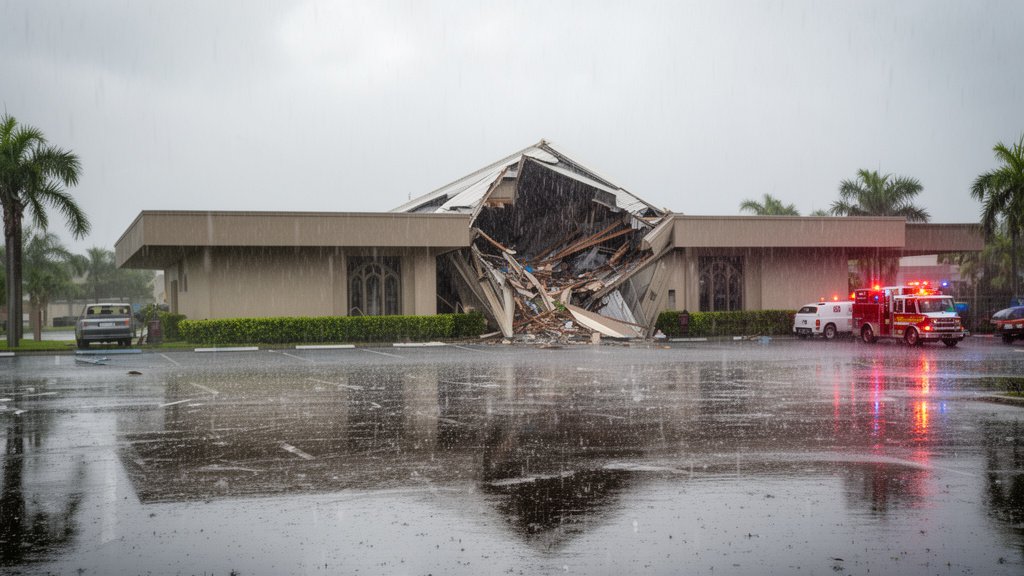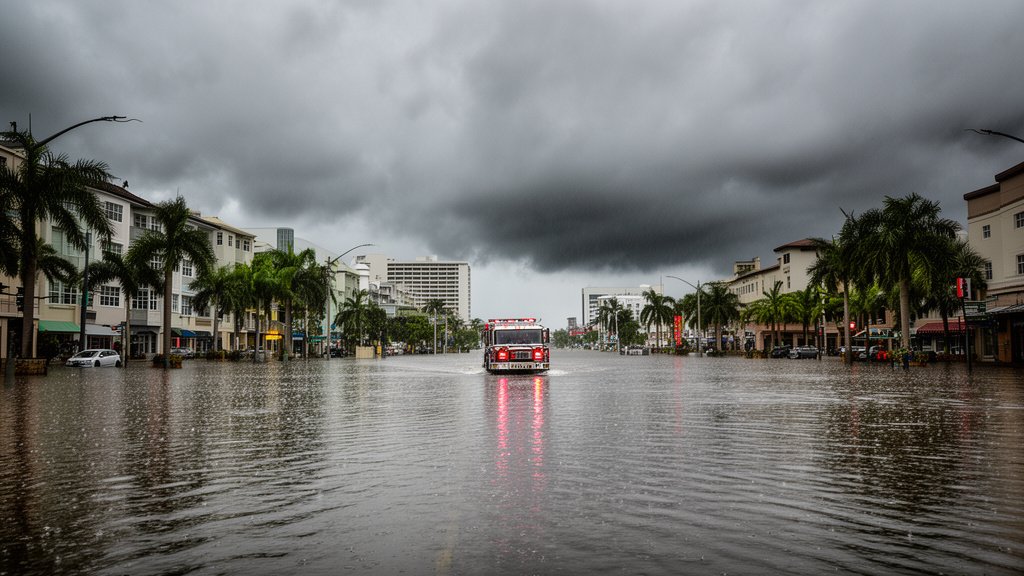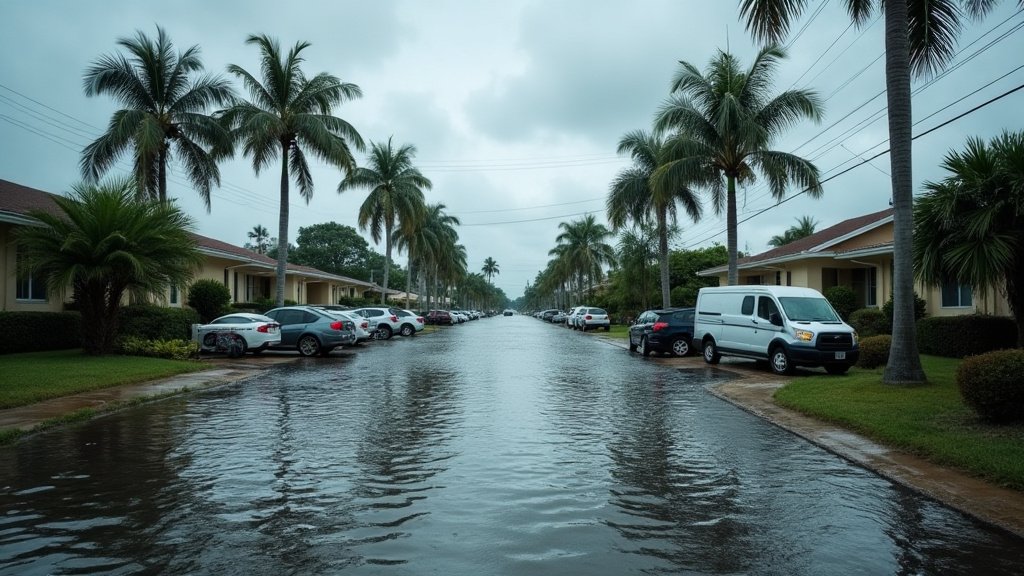
The South Florida region is currently battling an unrelenting weather system that has brought catastrophic rainfall, paralyzed transportation networks, and pushed drainage infrastructure to its breaking point. As residents brace for an extended period of inclement weather, the focus remains firmly on public safety, the resilience of critical transport links, and the gradual return to daily operations for schools and businesses. With a flood watch active through Friday morning, the situation remains fluid, characterized by deep standing water on major arteries and a state of heightened alert across multiple counties.
Meteorological Drivers: The Atmospheric River
At the core of the current crisis is a persistent, low-pressure system funneling moisture from the Gulf of Mexico and the Caribbean, creating an ‘atmospheric river’ effect over the Florida peninsula. Meteorologists from the National Weather Service (NWS) have noted that the stationary nature of this weather pattern is what differentiates this event from standard seasonal storms. Unlike transient thunderstorms, this system has remained locked in place, allowing rain to fall over the same water-saturated terrain for multiple days.
The volume of water has overwhelmed existing drainage systems in low-lying coastal and inland areas. In many municipalities, the soil saturation levels have reached maximum capacity, meaning any additional rainfall—even in moderate amounts—results in immediate surface flooding. The NWS flood watch, extending through Friday morning, serves as a critical warning for residents that the threat of flash flooding is not only present but intensifying as the ground loses its ability to absorb further precipitation. The combination of high tide cycles and heavy rain has created a compounding effect, preventing stormwater from efficiently draining into the ocean.
Infrastructure Under Siege: Rail and Road
The impact on South Florida’s infrastructure has been severe and immediate. One of the most significant logistical disruptions is the temporary suspension of Brightline’s long-haul route connecting Orlando and West Palm Beach. This suspension, deemed necessary for safety, highlights the vulnerability of high-speed rail corridors when faced with excessive water accumulation on the tracks and surrounding right-of-way areas. Commuters who rely on this link are being forced to navigate a regional transportation network that is also plagued by road closures.
Major highways and local roadways across Miami-Dade and Broward counties remain impassable. Reports of vehicles abandoned in deep water have been frequent, leading to hazardous conditions for emergency responders. The municipal response has included the deployment of high-water vehicles and the activation of emergency drainage pumps, yet the sheer scale of the inundation has slowed recovery efforts. The Department of Transportation is actively monitoring bridge clearances and arterial road stability, as structural integrity can be compromised when water remains stagnant on asphalt for prolonged periods.
The Human Element: Schools and Community Recovery
Amidst the chaos, the focus has shifted toward restoring a sense of stability for the community. Miami-Dade County Public Schools, which were previously shuttered due to safety concerns, have begun the process of reopening. This decision signifies a critical turning point in the community’s response, reflecting an assessment that local transit conditions have improved enough to allow for the safe transport of students and staff. However, the path to normalcy is incremental.
School administrators are working closely with local officials to monitor micro-flooding that could impact bus routes even if main roads appear clear. This highlights the granular nature of the flooding crisis: one neighborhood may be dry, while a street just three blocks over remains submerged. The reopening of schools acts as a bellwether for the broader community, signaling that while the threat is not over, the region is moving from a ‘rescue’ phase to a ‘recovery and adaptation’ phase.
Economic and Insurance Ramifications
Beyond the immediate logistical hurdles, this flood event is set to have long-lasting economic consequences. For residents and business owners, the persistent flooding raises urgent questions regarding the National Flood Insurance Program (NFIP) and the adequacy of local flood mitigation investments. Many properties in South Florida, even those not traditionally classified as ‘high-risk’ zones, have experienced significant water intrusion. This event is likely to drive a renewed, aggressive push for infrastructure reform.
Analysts predict that the cost of cleanup, road repairs, and potential rail infrastructure adjustments will reach millions of dollars. The economic strain is further exacerbated by the disruption to the tourism and service sectors, which thrive on the fluidity of movement. As South Florida continues to grow, the necessity for robust, climate-resilient engineering has become the primary talking point for regional policy experts, moving the conversation from reactive emergency management to proactive, long-term civil engineering overhaul.
Long-Term Resilience and Planning
The current flooding event is a stark reminder of the region’s extreme sensitivity to meteorological shifts. As planners look toward the future, the integration of ‘sponge city’ concepts—incorporating more permeable pavement, increased green space, and expanded reservoir capacity—is being discussed with newfound urgency. The ability of the region to withstand these ‘stalled storm’ events will depend on whether local government agencies can secure funding to accelerate these critical upgrades. While the immediate concern is the rain through Friday, the secondary effect of this disaster will likely be a permanent shift in how South Florida handles, channels, and survives its most abundant, yet potentially destructive, resource: water.