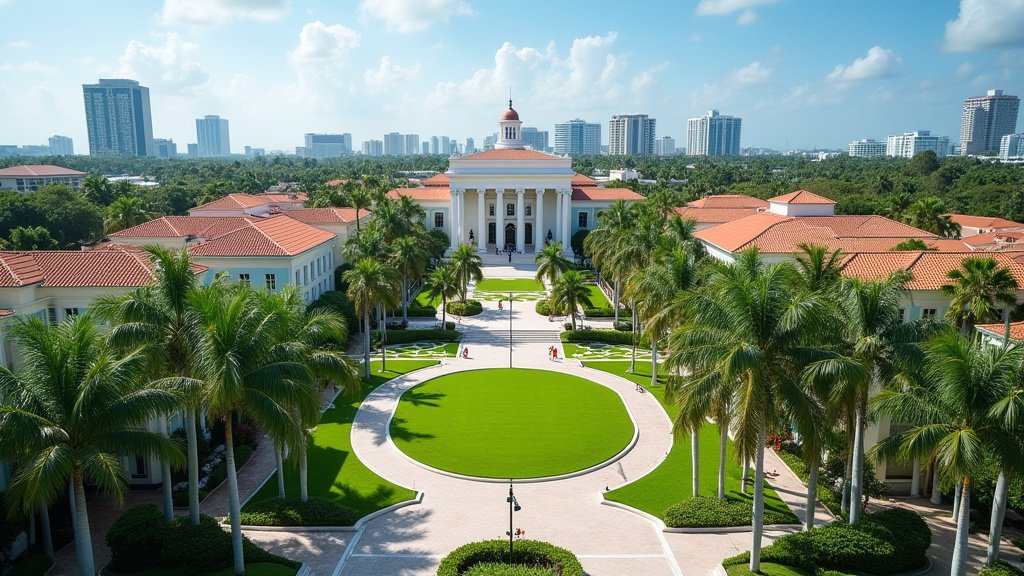
Carnegie Mellon University (CMU) is poised to redefine the landscape of higher education with the establishment of its new Miami campus, a project catalyzed by a staggering $3 billion donation from hedge fund CEO Ken Griffin. This initiative represents not just a physical expansion into the Florida market, but a fundamental shift in how prestigious academic institutions engage with urban centers to address pressing societal challenges.
Key Highlights
- Historic Investment: Citadel CEO Ken Griffin has pledged $3 billion to establish a new Carnegie Mellon University campus in Miami.
- Prime Real Estate: The project is anchored by a $1.1 billion land acquisition from renowned developer Moishe Mana, strategically located in the heart of the Wynwood district.
- Focus on Societal Impact: The curriculum and research initiatives are designed to bypass traditional academic silos, prioritizing a non-traditional approach to solving complex global problems.
- Economic Catalyst: The campus is expected to serve as the “future of America” by merging private equity, high-level technology research, and urban redevelopment.
The Anatomy of the Miami Pivot
The ambition behind the new Carnegie Mellon University Miami campus is vast, extending far beyond the standard scope of university satellite branches. By positioning the institution within the Wynwood district—a neighborhood historically defined by art and industrial character—CMU is signaling a departure from the ivy-covered, secluded quadrangle model toward an “open-lab” philosophy that integrates directly with the community and the economic powerhouse that is Miami.
The Financial Foundation: Mana and Griffin
The sheer scale of the investment, headlined by Ken Griffin’s $3 billion commitment, underscores a broader trend in American higher education: the growing reliance on private sector visionaries to drive institutional growth. The $1.1 billion land purchase from developer Moishe Mana is perhaps the most significant component of this deal. Mana, who has long been the primary driver of Wynwood’s transformation into a tech-forward, mixed-use district, brings a vital piece of the puzzle to CMU. By acquiring such substantial acreage from Mana, CMU gains the unique ability to master-plan a campus that interacts fluidly with the surrounding city, rather than imposing a fortress-like structure upon it.
Redefining the Academic Approach
What makes this project distinct is its explicit mission: to focus on solving “complex societal challenges.” This is not merely a technical training facility. The academic leadership at CMU aims to synthesize data science, robotics, and civic policy, leveraging the unique diversity and rapid economic development of the South Florida region. The goal is to create a living laboratory where students and faculty interact with industry leaders daily. This approach treats Miami not just as a location, but as a dynamic data set and a partner in the university’s research endeavors.
The Secondary Angles of Growth
There are three critical secondary impacts to consider as this project moves forward:
1. Economic Integration: The symbiotic relationship between CMU and the existing tech ecosystem in Miami is likely to accelerate the city’s transition from a tourist-reliant economy to a high-tech knowledge hub. The presence of such a prestigious institution acts as a “magnet” for talent, potentially reversing the brain drain that previously plagued the region.
2. The Evolution of Private Funding: This project sets a new precedent for billionaire philanthropy in education. By coupling the donation with a specific, massive real estate play, Griffin is demonstrating a model where philanthropy is indistinguishable from infrastructure development, which may encourage other high-net-worth individuals to pursue similar “holistic” donation structures.
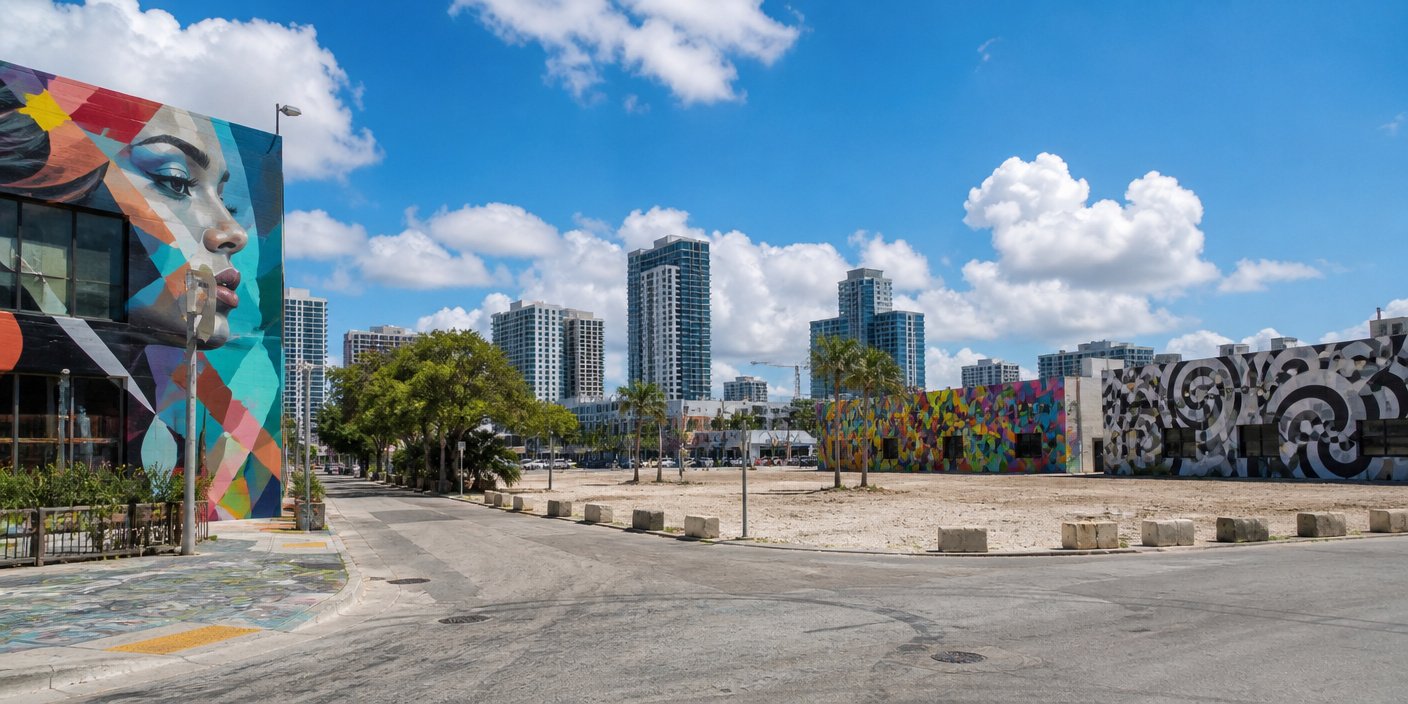
3. Architectural & Urban Planning: The Wynwood district, characterized by its low-rise warehouses and mural-covered walls, poses a unique challenge for institutional architecture. The success of this campus will depend on whether CMU can maintain the district’s “grit” while integrating the advanced, climate-controlled, and energy-efficient facilities required by a top-tier university. It is a test of whether high-prestige academia can blend into an urban creative district without gentrifying its soul.
FAQ: People Also Ask
Q: Why was the Wynwood district chosen for the new CMU campus?
A: Wynwood offers a high-density, culturally vibrant, and industrially flexible environment that aligns with CMU’s desire to step outside the traditional academic bubble. The availability of large tracts of land—facilitated by Moishe Mana—allowed for a scale of development that would be impossible in more established city centers.
Q: How does this donation compare to other large philanthropic gifts in education?
A: A $3 billion gift is unprecedented in scale, surpassing previous records for university endowments. Its specific focus on capital infrastructure and a new geographic campus makes it a hybrid of philanthropy and real estate venture.
Q: What kind of research will the CMU Miami campus prioritize?
A: While details are evolving, the stated focus is on solving complex societal challenges. This implies a heavy emphasis on interdisciplinary studies involving AI, urban sustainability, economic resilience, and civic technology, all within the context of a rapidly growing, climate-vulnerable coastal city.