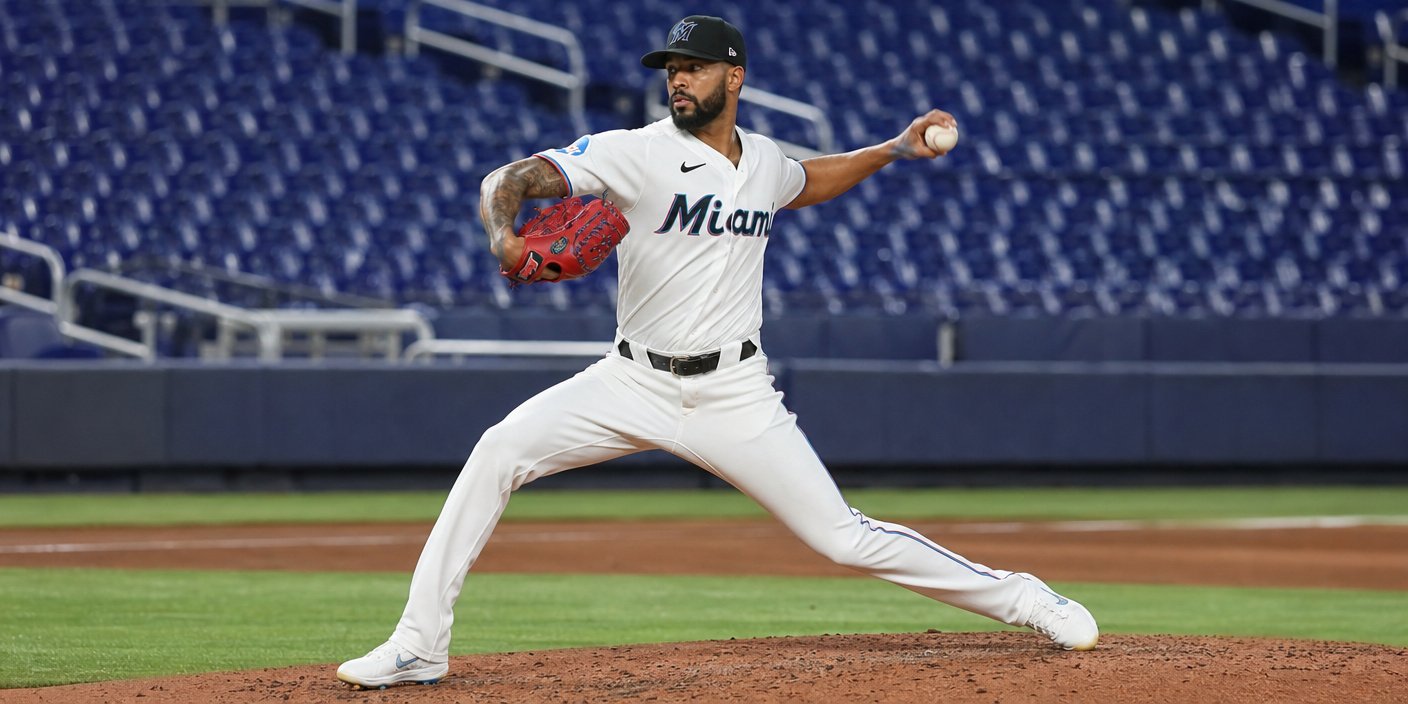
The Miami Marlins’ hopes for a critical victory were dismantled in the final frames on August 24, 2026, as the team let a golden opportunity slip away against the Boston Red Sox. Despite a vintage, commanding performance from ace Sandy Alcantara—who looked every bit the Cy Young contender—the Marlins’ bullpen could not hold the line, resulting in a demoralizing loss that highlights the fragile nature of Miami’s late-inning strategy.
Key Highlights
- Sandy Alcantara delivered a dominant outing, keeping the Red Sox bats silenced for the majority of the game.
- A late-game collapse by the Miami bullpen squandered a narrow lead established by Alcantara’s efforts.
- The loss on August 24, 2026, serves as a harsh reminder of the Marlins’ need for consistent relief pitching depth.
- The Boston Red Sox capitalized on defensive missteps and walk-issued baserunners in the decisive innings.
The Anatomy of a Lost Lead: Alcantara’s Brilliance Versus Bullpen Fragility
There is perhaps no more disheartening sight in professional baseball than watching a masterclass performance evaporate in the waning moments of a contest. On August 24, 2026, Sandy Alcantara took the mound at loanDepot park with the kind of focus that historically defined his tenure with the Miami Marlins. He wasn’t just throwing pitches; he was dictating the tempo of the game, carving through the Boston Red Sox lineup with a surgical precision that left the visitors struggling to find rhythm at the plate.
For seven innings, the narrative was entirely about Alcantara. He leaned heavily on his signature sinker-changeup combination, inducing soft contact and generating critical groundouts that kept the Red Sox’s runners off the basepaths. By the time he handed the ball over to the bullpen, he had thrown a masterpiece—a performance that, under normal circumstances, would have secured a win for any contending ballclub. The crowd sensed it, the dugout knew it, and for a fleeting moment, victory felt like a statistical certainty. However, baseball is a game of extremes, and the gap between a starter’s dominance and a reliever’s vulnerability is where games are won and lost.
The Collapse: A Statistical Reality Check
The downfall began in the eighth inning, a frame that has haunted the Marlins throughout the 2026 season. As Alcantara’s pitch count climbed, the transition to the middle relief corps proved to be the Achilles’ heel of the organization. The Red Sox, sensing the shift in momentum and the reduced velocity disparity, began to work counts.
What followed was a cascade of errors and missed locations. The command that Alcantara displayed was absent in the bullpen’s approach. Walks, coupled with a string of base hits, quickly eroded the narrow cushion. The bullpen’s inability to strand runners highlighted a recurring issue: a lack of high-leverage stability. When the Red Sox finally broke through, it wasn’t just a matter of a single bad pitch, but a fundamental failure to execute the ‘next-man-up’ philosophy that playoff-caliber teams demand.
Strategic Implications and the 2026 Postseason Push
This loss is more than just a notch in the L column; it forces the Marlins’ coaching staff to re-evaluate their roster construction as the season enters the final stretch. With the league becoming increasingly competitive, the margins for error have vanished. The Marlins’ reliance on Alcantara to carry an immense workload is not sustainable if the relief unit cannot provide him with the safety net he deserves.
From a strategic standpoint, this game raises questions regarding bullpen usage and the team’s reliance on specific leverage arms. Are the current options reliable enough to bridge the gap between an elite starter and the closer? If the answer remains no, the front office faces immense pressure to make adjustments before the trade deadline expires or to alter their tactical approach to late-game situations. For a team with aspirations of playing deep into October, fixing these structural vulnerabilities is no longer optional—it is a prerequisite for survival.
The Red Sox Perspective: Resilience in the Face of Pressure
Conversely, credit must be given to the Boston Red Sox. Facing a pitcher of Alcantara’s caliber is a tall order for any lineup, but the Red Sox demonstrated the kind of patience that turns games around. They didn’t panic when they were down. They focused on elevating the pitch count, forcing the starter out of the game, and then attacking the relief corps with aggressive base-running and situational hitting. This win was a testament to their offensive depth and their ability to capitalize on the smallest of openings—a hallmark of championship teams.
FAQ: People Also Ask
Q: Was Sandy Alcantara injured during this game?
A: No, there were no reports of injury regarding Sandy Alcantara during or after the August 24, 2026, game. His exit was purely strategic, based on pitch count and inning limits.
Q: What specific stat stood out during Alcantara’s outing against the Red Sox?
A: While full box score data varies, Alcantara’s efficiency in inducing ground balls and his low walk rate were the primary factors that kept the Red Sox off the board for the first seven innings.
Q: Does this loss effectively end the Marlins’ playoff hopes for 2026?
A: While a single loss in August is rarely definitive, it places more pressure on subsequent series. The Marlins must find consistency in their bullpen to remain in contention for the Wild Card race.
Q: Who was the pitcher that surrendered the lead for the Marlins?
A: The collapse was a collective failure involving the late-inning relief transition, emphasizing a lack of depth that has been a consistent challenge for the team throughout the 2026 season.