In a move that has sent shockwaves through the global academic and technological communities, billionaire philanthropist Ken Griffin has announced a landmark $3 billion donation to Carnegie Mellon University (CMU). This transformative capital infusion is earmarked for the construction of an expansive, state-of-the-art campus in Miami’s vibrant Wynwood district. By planting one of the world’s most prestigious research institutions in the heart of South Florida, Griffin is effectively placing a massive, high-stakes wager on Miami’s potential to become the undisputed ‘future of America.’ This initiative is designed not merely to build classrooms, but to create a research-heavy ecosystem specifically engineered to tackle the most pressing societal challenges of the 21st century.
Key Highlights
- Historic Capital: The $3 billion donation stands as one of the largest single philanthropic commitments in the history of higher education.
- Strategic Location: The new campus will be situated in the Wynwood neighborhood, leveraging the area’s transformation from an industrial arts hub to a center for creative and economic innovation.
- Research Focus: The mission is explicitly tied to addressing complex societal challenges, likely utilizing CMU’s global leadership in Artificial Intelligence, robotics, and cybersecurity.
- Economic Catalyst: Analysts expect this development to accelerate the migration of tech talent and capital into South Florida, solidifying the ‘Silicon Beach’ thesis.
- The Vision: Donor Ken Griffin has framed the project as a catalyst for a new American chapter, bridging the gap between cutting-edge academia and real-world implementation.
The Genesis of the Wynwood Blueprint
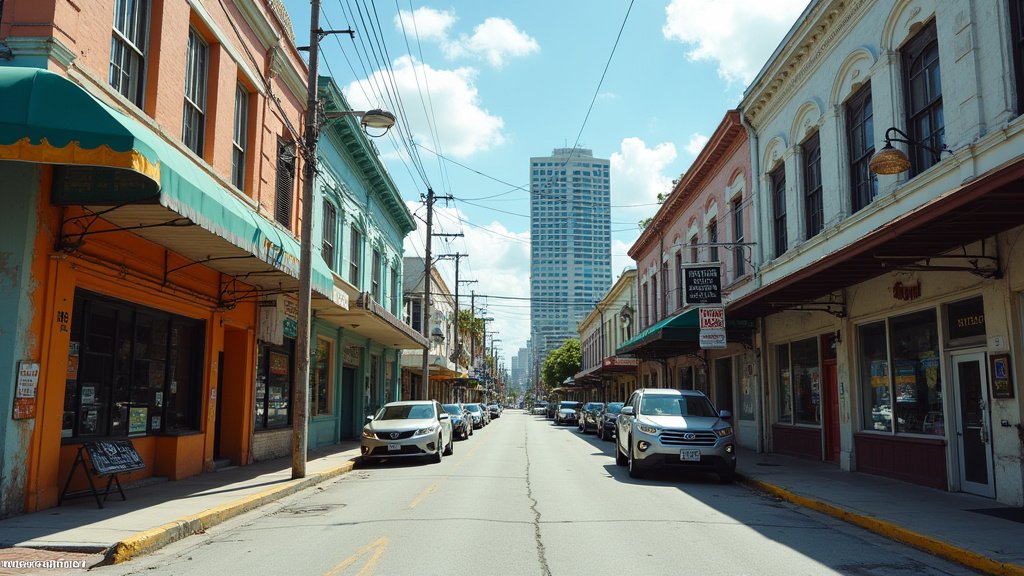
The choice of Wynwood as the site for this sprawling new academic complex is far from arbitrary. Traditionally known for its graffiti murals, world-class galleries, and rapidly evolving commercial corridors, Wynwood represents the cultural elasticity required to host a forward-looking research institution. The arrival of Carnegie Mellon—a university synonymous with technological rigour—into this specific neighborhood signals a maturation of Miami’s urban planning goals.
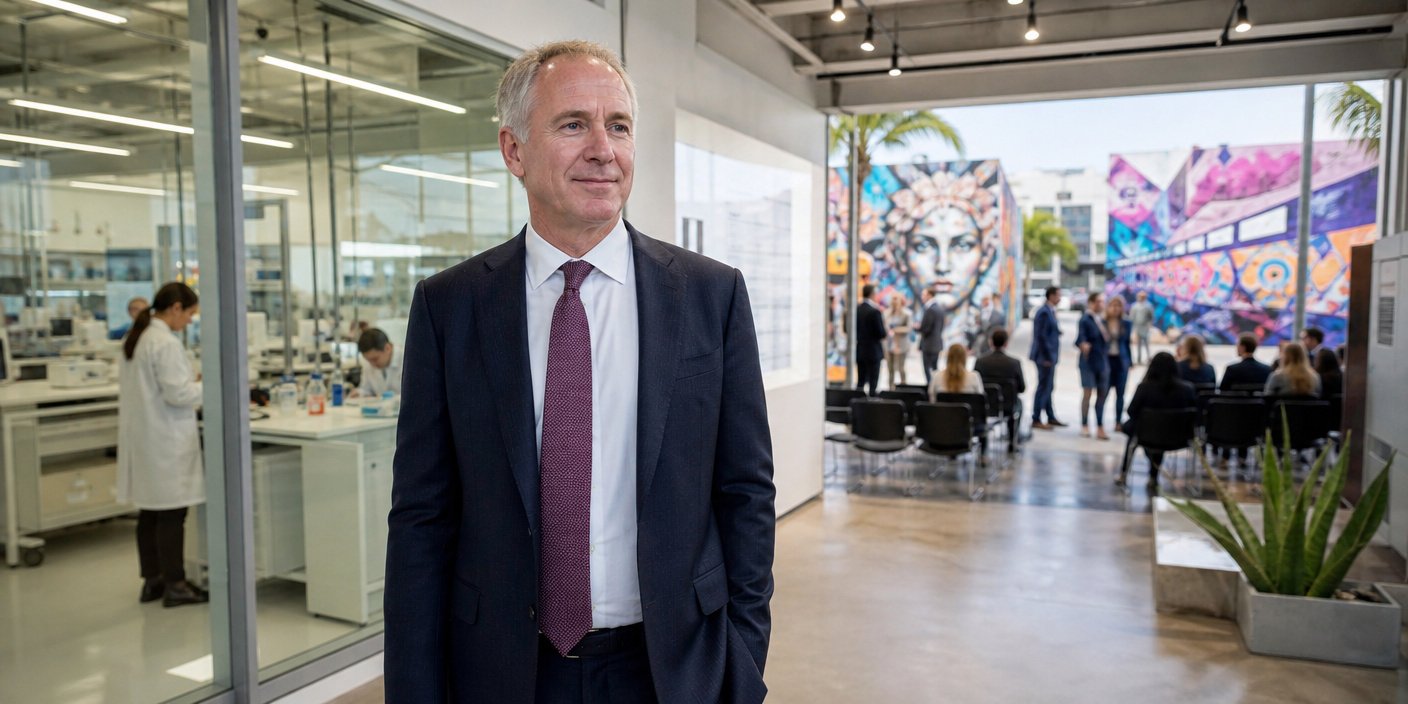
By integrating a globally recognized research entity into an area already defined by its creative vibrancy, the project aims to foster a unique cross-pollination of disciplines. It is the architectural embodiment of ‘innovation through collision,’ where the rigorous, data-driven approach of CMU’s engineering and science faculties meets the fast-paced, entrepreneurial energy of the Miami startup ecosystem. This campus is designed to be permeable, with public-facing research labs and collaborative spaces that invite the local community to witness the future as it is being built.
CMU’s Technical Pedigree in South Florida
Carnegie Mellon is not simply arriving in Miami to teach; it is arriving to solve. Historically, the university has been a powerhouse in the development of self-driving vehicle technology, machine learning algorithms, and secure software development. Moving these faculties to Miami introduces a massive reservoir of human capital to the region. The proximity of these departments to major logistical hubs, international finance centers, and the growing healthcare innovation corridor in South Florida creates a competitive advantage that few other cities in the world can claim.
Furthermore, the donation’s emphasis on ‘societal challenges’ implies that the campus will serve as a laboratory for urban resilience. In an era where climate change, infrastructure maintenance, and digital privacy have become existential concerns for coastal cities, having a dedicated cohort of CMU researchers on the ground in Miami provides a living, breathing testbed for the city’s future survival and prosperity.
The Economic Ripple Effects
The ripple effects of this investment extend far beyond the construction site. A project of this magnitude requires a total reconfiguration of the local labor market. The influx of academics, researchers, graduate students, and associated industry partners will necessitate a surge in housing, high-speed telecommunications infrastructure, and localized economic support services.
Economists have noted that the presence of a ‘Tier-1’ research university acts as a magnet for venture capital. Startups tend to cluster around the intellectual property generated by such institutions. With Ken Griffin’s support, the campus is expected to launch incubators that will fast-track the commercialization of breakthroughs in AI and robotics, creating a self-sustaining cycle of innovation that will likely anchor the next generation of Miami’s economic growth.
FAQ: People Also Ask
1. Why did Ken Griffin choose Carnegie Mellon University for this project?
Ken Griffin’s donation aligns with CMU’s specific strengths in Artificial Intelligence and robotics. Griffin has previously emphasized the need to bridge the gap between academic research and commercial application; CMU is widely regarded as one of the best institutions in the world for bridging that exact divide, making it the ideal partner for his vision of the future.
2. What does this mean for the local Wynwood community?
While the project will significantly change the landscape of the neighborhood, it is designed to integrate into the existing creative culture. The campus aims to be a public-facing institution, meaning the resources, lecture series, and collaborative labs will likely be accessible to the community, helping to transition the district into a world-class ‘knowledge hub’ without erasing its artistic roots.
3. Is this the start of a broader trend of universities moving to Miami?
Yes. This move is part of a larger trend of high-prestige institutions and corporations diversifying their footprints to include Miami. As digital infrastructure makes remote collaboration easier, the value of physical proximity to a vibrant, forward-looking city like Miami has skyrocketed, and this $3 billion project is the most significant indicator of that shift to date.