Miami’s culinary footprint expanded significantly this week as four local pizzerias secured prestigious rankings on the 2026 ’50 Top Pizza’ international list, solidifying the city’s reputation as a burgeoning global pizza hub. This achievement marks a turning point for the Magic City, transforming it from a destination known primarily for nightlife and resort dining into a serious contender for artisanal, craft-focused gastronomy. The inclusion of these four establishments validates years of commitment to traditional techniques, high-quality ingredient sourcing, and the elevation of the humble slice into a fine-dining experience.
Key Highlights
- Four Miami pizzerias earned official recognition in the 2026 ’50 Top Pizza’ international list, highlighting the city’s diverse and high-quality pizza landscape.
- The rankings reflect a spectrum of offerings, ranging from sophisticated fine-dining tasting menus to authentic, high-frequency casual slices.
- Selection criteria for the global list emphasized dough fermentation precision, the provenance of ingredients—often imported directly from Italy—and the overall excellence of hospitality.
- This global validation is expected to drive significant culinary tourism to the Miami metro area, boosting local neighborhood economies.
The Miami Pizza Renaissance: From Slice to Sophistication
For years, pizza in the United States was dominated by the regional heavyweights of New York, New Haven, and Chicago. However, the 2026 ’50 Top Pizza’ results signal a tectonic shift in the culinary map. The inclusion of four Miami-based establishments—O Munaciello, Stanzione 87, Eleventh Street Pizza, and Song E Napule—proves that the Magic City is no longer just a destination for neon-lit nights, but for serious, crust-conscious diners.
The Science of the Dough: Adapting to the Florida Climate
One of the most impressive aspects of Miami’s rise in the global rankings is the technical mastery required to produce world-class pizza in a tropical climate. High humidity and heat present unique challenges for long-fermentation doughs, which are the hallmark of the Neapolitan style. Chefs at these recognized establishments have spent years refining their hydration levels and ambient temperature controls to ensure that the crust remains airy, light, and digestible. By implementing state-of-the-art cold fermentation rooms and climate-controlled proofing chambers, these kitchens have managed to replicate—and in some cases, improve upon—the traditional results found in the pizzerias of Naples.
Defining the ‘Miami Style’
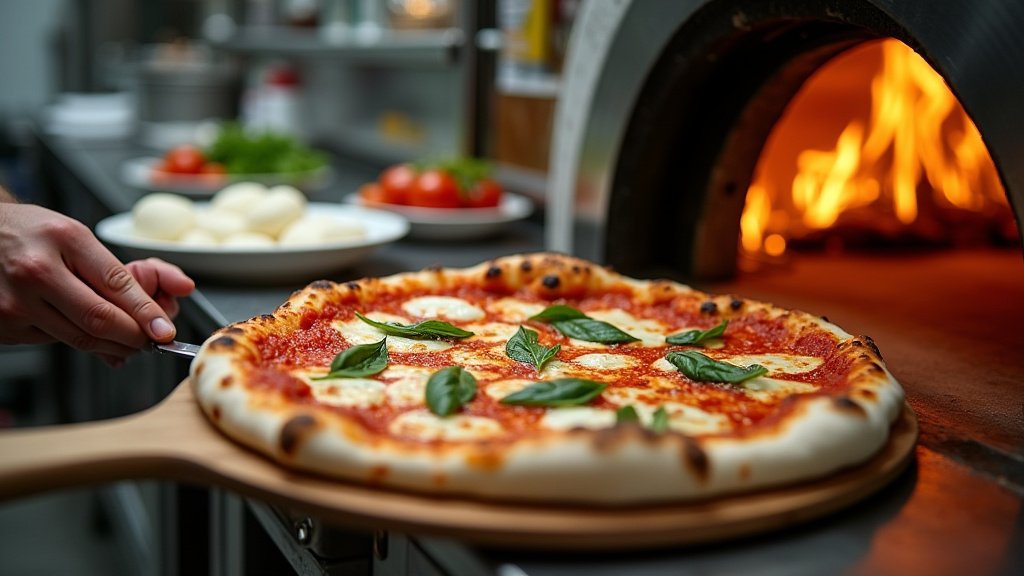
What makes the Miami pizza scene distinct is its refusal to conform to a single mold. While traditional Neapolitan methods remain the bedrock, these four recognized pizzerias have blended that classic heritage with the city’s inherent cosmopolitan energy. At O Munaciello, the experience is deeply rooted in the authentic recipes of the Italian founders, focusing on the simplicity of San Marzano tomatoes and DOP buffalo mozzarella. Conversely, Eleventh Street Pizza has gained global traction for its modern interpretation of the American-style pie, characterized by a sourdough base that bridges the gap between artisanal craft and approachable, everyday comfort food.
The Economic Ripple Effect
Being named to the ’50 Top Pizza’ list is not merely an aesthetic honor; it is an economic catalyst. In the restaurant industry, such a distinction acts as a ‘Michelin-star’ equivalent for the casual dining sector. Industry analysts predict that these four spots will see an influx of international travelers specifically seeking out these locations as part of their culinary itineraries. This ‘pizza tourism’ has a direct impact on local employment, ingredient supply chains, and real estate value in the immediate neighborhoods surrounding these pizzerias. As these venues scale up to meet demand, the focus remains on maintaining the quality that earned them the top spot, a delicate balance between growth and tradition.
The Curators: Why the 2026 List Matters
The ’50 Top Pizza’ organization, helmed by culinary experts Barbara Guerra, Luciano Pignataro, and Albert Sapere, is known for its rigorous, anonymous judging process. They do not accept free meals or press junkets, which makes their endorsement one of the most credible in the industry. For Miami to place four separate entities in a year of intense global competition underscores that the city is not ‘getting lucky’—it is effectively nurturing an ecosystem of culinary excellence. This recognition serves as a testament to the talent of the pizzaiolos who have chosen to call South Florida home, bringing a slice of Italy to the Atlantic coast.
FAQ: People Also Ask
Q: What is the ’50 Top Pizza’ list?
A: ’50 Top Pizza’ is a prestigious, globally recognized ranking system founded by culinary experts Barbara Guerra, Luciano Pignataro, and Albert Sapere. It acts as an authoritative guide to the best pizzerias worldwide, using anonymous testers to ensure objectivity and quality.
Q: Why was Miami chosen for this honor in 2026?
A: Miami was chosen due to the exceptional density of high-quality, authentic pizzerias that have recently opened or matured in the region. The judges specifically noted the city’s ability to maintain high fermentation standards despite the tropical climate and the innovative blend of traditional Italian techniques with modern culinary flair.
Q: Does this list include all styles of pizza?
A: Yes. The 2026 list recognizes a wide spectrum of pizza styles, from traditional Neapolitan and classic Italian styles to modern gourmet interpretations and even elevated casual slices, provided the quality of ingredients and dough preparation meets the strict global criteria.
Q: How does this recognition affect the price of dining at these locations?
A: While being named to a global ‘Top 50’ list often increases demand, these pizzerias typically remain committed to their original pricing structures. However, patrons should expect longer wait times and increased difficulty in securing reservations, especially during peak weekend hours.