Miami’s transition from a burgeoning tech hub fueled by migration-era enthusiasm to a sophisticated, institutional-grade startup ecosystem is no longer a matter of speculation. Data from the first half of 2026 indicates that the Miami-Fort Lauderdale metro has entered a maturation phase characterized by disciplined capital allocation and sustainable business models. With nearly $2 billion in venture funding raised in H1 2026 alone, the region is successfully shedding its reputation as a temporary destination for speculative capital, proving instead that it can sustain the rigors of a demanding, high-performance market.
Key Highlights
- Record-Breaking Funding: Startups in the Miami-Fort Lauderdale metro secured $832 million in Q2 2026, contributing to a robust total of nearly $2 billion for the first half of the year.
- Market Maturation: The ecosystem has successfully pivoted from early-stage ‘hype-driven’ ventures toward long-term enterprise solutions and resilient sectors like ClimateTech and FinTech.
- Institutional Stability: The influx of capital is increasingly focused on established startups with demonstrated product-market fit, signaling a shift toward operational, rather than growth-at-all-costs, strategies.
The New Reality: Sustained Growth and Structural Maturity
For years, skeptics and enthusiasts alike debated whether the explosion of Miami’s tech scene—often branded as ‘Silicon Beach’—was a temporary byproduct of the post-2020 migration. The latest funding figures from Q2 2026 provide a definitive answer. The $832 million raised in the second quarter, bringing the H1 total to nearly $2 billion, represents more than just raw capital; it represents the maturation of the local venture capital landscape.
Investors are no longer prioritizing vanity metrics. Instead, the current investment cycle shows a distinct preference for ‘durable’ business models. The region is seeing a significant influx of capital into firms that provide essential infrastructure, such as logistics optimization, cloud-based enterprise software, and sustainable technologies. This shift indicates that the Miami-Fort Lauderdale metro has built the requisite support systems—legal, financial, and talent-based—to handle high-complexity businesses, not just consumer apps.
The Shift to Enterprise-First Innovation
Historically, emerging tech hubs often lean heavily on consumer-facing applications to capture immediate attention. However, Miami’s current momentum is driven by a pivot toward Enterprise SaaS (Software as a Service) and specialized industrial technologies. This pivot is critical for long-term stability. By focusing on businesses that solve core operational problems for other companies, Miami startups are creating a ‘moat’ around their revenue streams, making them less susceptible to the volatility of consumer sentiment. This structural change is what investors are signaling their confidence in, as they increasingly participate in follow-on funding rounds rather than just initial seed bets.
Talent Retention and the University Pipeline
Infrastructure in a tech ecosystem is about more than office space and high-speed internet; it is about the sustained pipeline of human capital. A vital secondary angle to this growth is the increasing integration between local universities and the startup sector. The maturation of the ecosystem is mirrored by a decline in ‘brain drain’ and an increase in ‘brain gain.’ Graduates from top-tier research institutions in the state are increasingly choosing to remain in South Florida, attracted by the density of high-growth firms now calling Miami home. This talent density allows for the rapid scaling of teams, a requirement for any major global tech hub. As startups continue to tap into this local pool, the reliance on remote, dispersed teams decreases, fostering a more collaborative, innovation-dense environment.
Urban Infrastructure and Future-Proofing
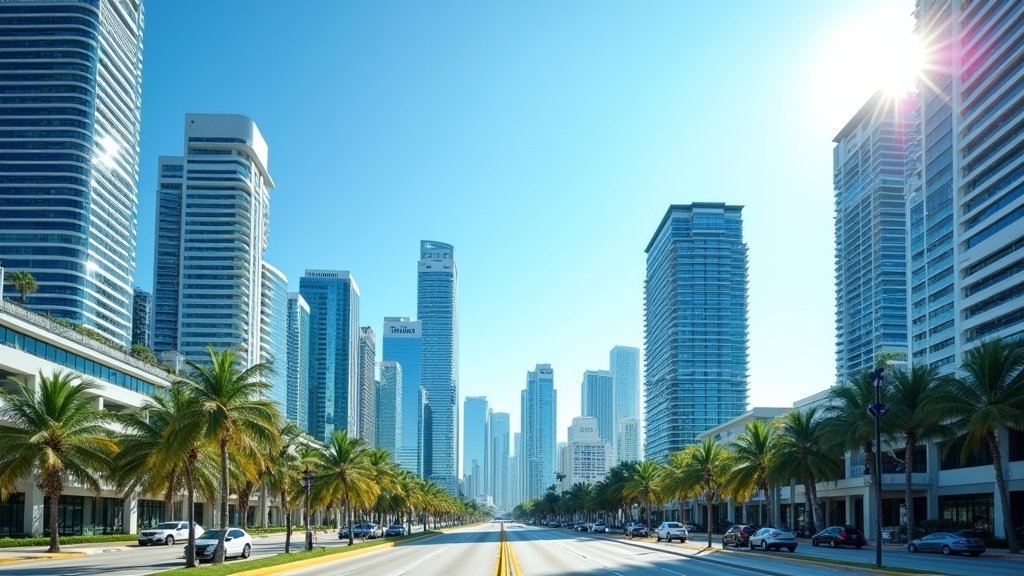
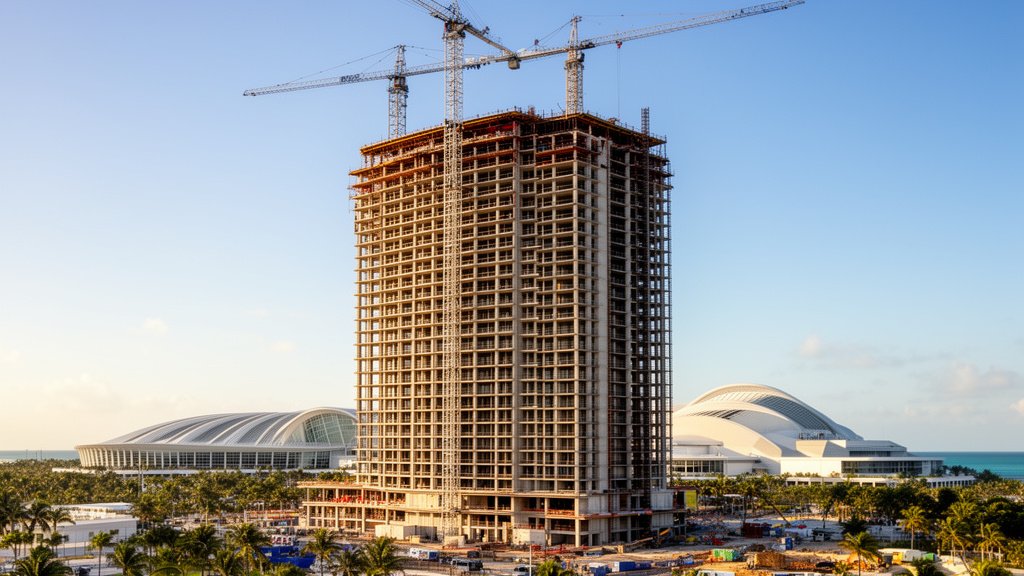
Finally, the physical and economic infrastructure of the Miami-Fort Lauderdale metro has had to adapt. The absorption of premium commercial real estate by tech firms suggests that companies are planning for a long-term physical presence. Local government initiatives focused on sustainable urban development are dovetailing with the needs of these tech companies, creating a ‘virtuous cycle.’ As the city invests in better transit and connectivity, it reinforces the appeal for both domestic and international tech giants to maintain significant regional headquarters. The data from H1 2026 shows that this is no longer a trial; it is a permanent integration of tech into the city’s economic bedrock.
FAQ: People Also Ask
Q: What sectors are driving the $2 billion funding total in Miami?
A: The growth is primarily fueled by a shift toward B2B Enterprise SaaS, ClimateTech, and FinTech. These sectors are providing the stable, long-term revenue models that institutional investors look for.
Q: How does the Q2 2026 funding compare to previous years?
A: While specific quarter-over-quarter comparisons vary, the total of $832 million in Q2 and $2 billion in H1 signals a transition from speculative, early-stage seed funding to more substantial series-level funding, indicating a more mature and durable market.
Q: Is Miami still considered a ‘hype’ market for tech?
A: The data suggests otherwise. By moving toward sustained, enterprise-focused growth and deepening the local talent pipeline, the Miami-Fort Lauderdale metro has effectively transitioned out of the initial hype phase and into a phase of structural maturation.